Since our beginnings in 1996, Energy Projects Plus has been committed to promoting energy efficiency, reducing waste and supporting more sustainable communities. While much of our work focuses on helping people stay warm and reduce their energy bills, our wider mission has always been to educate and empower people to make informed choices about energy and the environment.
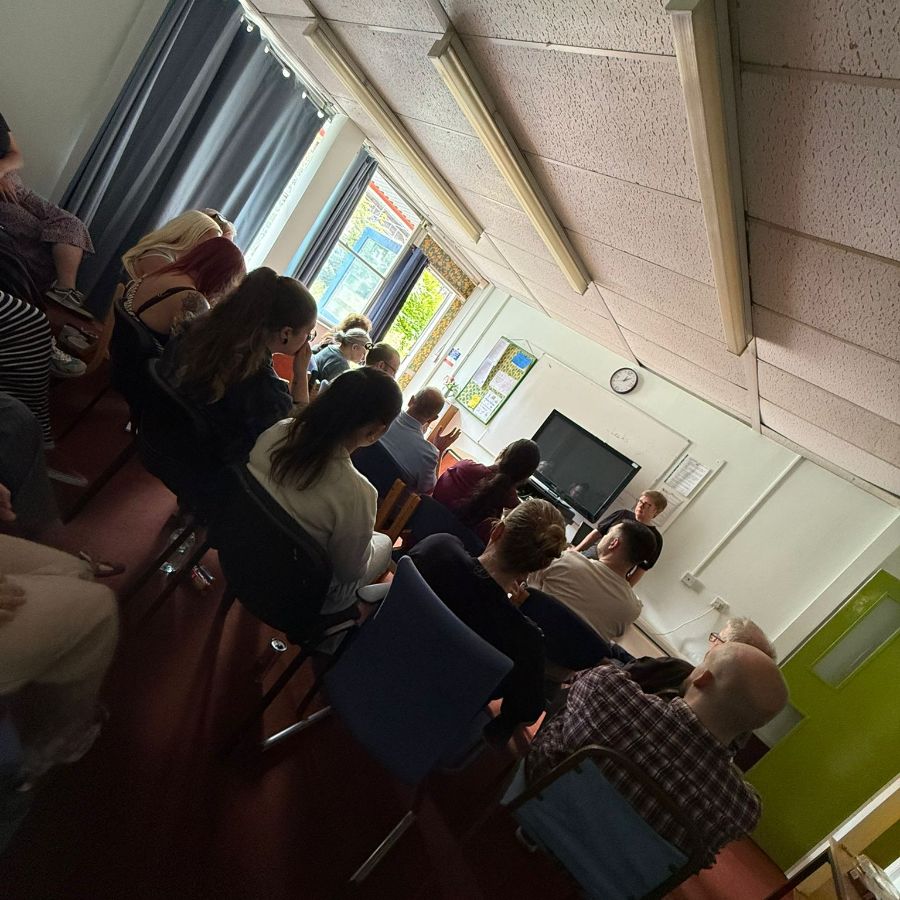
That’s why this month our team came together to watch The People’s Emergency Briefing – a thought-provoking film hosted by Chris Packham that explores the climate and nature emergencies facing the UK.
The briefing highlights the growing risks posed by climate change and biodiversity loss, while also presenting credible and practical solutions that offer hope and encourage action. It serves as a reminder that the transition to a more sustainable future requires collaboration, informed decision-making and a willingness to act.
As an environmental charity committed to creating warmer, healthier and more sustainable communities, for us the screening reinforced why the work we do every day matters. Supporting households to improve energy efficiency, reduce waste and make better use of resources doesn’t just help lower bills; it also contributes to a more sustainable future.
Following the screening, colleagues shared their reflections on the film and the importance of continuing conversations around climate action, sustainability and the role organisations like ours can play in supporting positive change.
Reflections from members of the Energy Projects Plus team:
“Eye-opening and thought-provoking. It highlighted the scale of the challenges we face and the importance of taking action.”
“I worry about my children’s future, but I do think they will be the generation to make the change. The solutions are there; we just need the people in power to make them more readily available and accelerate the transition to renewable energy.”
“I found the briefing very thought-provoking. It prompted me to consider my own behaviour; however, I feel a great deal of frustration as the biggest change must come from the government.”
“We don’t hear enough about these issues in such stark, factual terms. The briefing clearly demonstrated how serious climate change is and the impact it is already having on our environment. More needs to be done if we want to see meaningful change.”
We believe conversations like these are important, which is why we’d encourage other organisations, community groups and workplaces to consider hosting their own screening or encourage those to watch screening at a venue near you.
The film offers an opportunity to learn, reflect and discuss the role we can all play in creating healthier, more resilient communities.
You can download a PDD poster version of this guidance by Clicking Here
Beat the heat with these simple tips
Hot homes and high temperatures can be uncomfortable and dangerous.
Here are our top tips to help you and your home stay cool (especially during extreme UK heatwaves).
Tip 1: Block out the sun and heat
- Close blinds and curtains on south-facing windows during peak sun hours (11am–4pm)
- Keep windows shut when it’s hotter outside than inside – this stops warm air from coming in and heating up your home.
- Once the air outside cools in the evening, open windows and blinds to let cooler air in and help trapped heat escape.
Tip 2: Open windows strategically
- Open windows early morning or late evening — when it’s cooler outside than in.
- Prioritise opening north-facing or shaded windows to let cooler air in.
- Open internal doors to help cool air move through your home.
📌Top tip: On really hot days, close everything up between 11am–4pm to keep the heat out.
Tip 3: Take cool showers
A quick cool (not ice-cold!) shower lowers your body temperature.
- Rinse your wrists or feet under cool water if short on time.
- Avoid long hot showers – they heat your bathroom and you
Tip 4: Use Lights and Appliances Less
Electronics and lights give off heat.
- Older halogen and incandescent bulbs give off heat as well as light.
- Switch to LED bulbs as they can help reduce energy use and unwanted heat.
Tip 5: Create a DIY Cooling Pack
Freeze a hot water bottle or damp flannel.
- Wrap it in a towel and place it on your neck or wrists.
- Pop it by your feet in bed to help you sleep.
Tip 6: Avoid Heat-Generating Appliances
Keep your home cooler by reducing indoor heat from everyday appliances.
- Choose no-cook meals like salads, or enjoy a BBQ outside if you can.
- Batch cook in the evening, when it’s cooler, and reheat meals later.
- Avoid using heat-heavy appliances during the day, such as: Hairdryers and Irons.
📌Top tip: If you need to use appliances, do it early morning or late evening when temperatures are lower.
Tip 7: Use fans wisely
- Place it near a window in the evening or early morning to bring in cooler air.
- Put it on the floor and tilt it upwards – cooler air sits low down.
- Face the fan towards a wall – it helps circulate cool air back into the room.
🚫 Avoid using fans in sealed, hot rooms – they’ll just move warm air around.
Tip 8: Dress for the heat
- Light, loose, breathable clothing helps.
- Choose natural fabrics like cotton or linen.
- Avoid dark colours which absorb heat.
Tip 9: Stay Hydrated
Drink plenty of water throughout the day.
- Sipping warm drinks may help regulate your internal body temp too.
- Avoid too much caffeine or alcohol as both will dehydrate you.

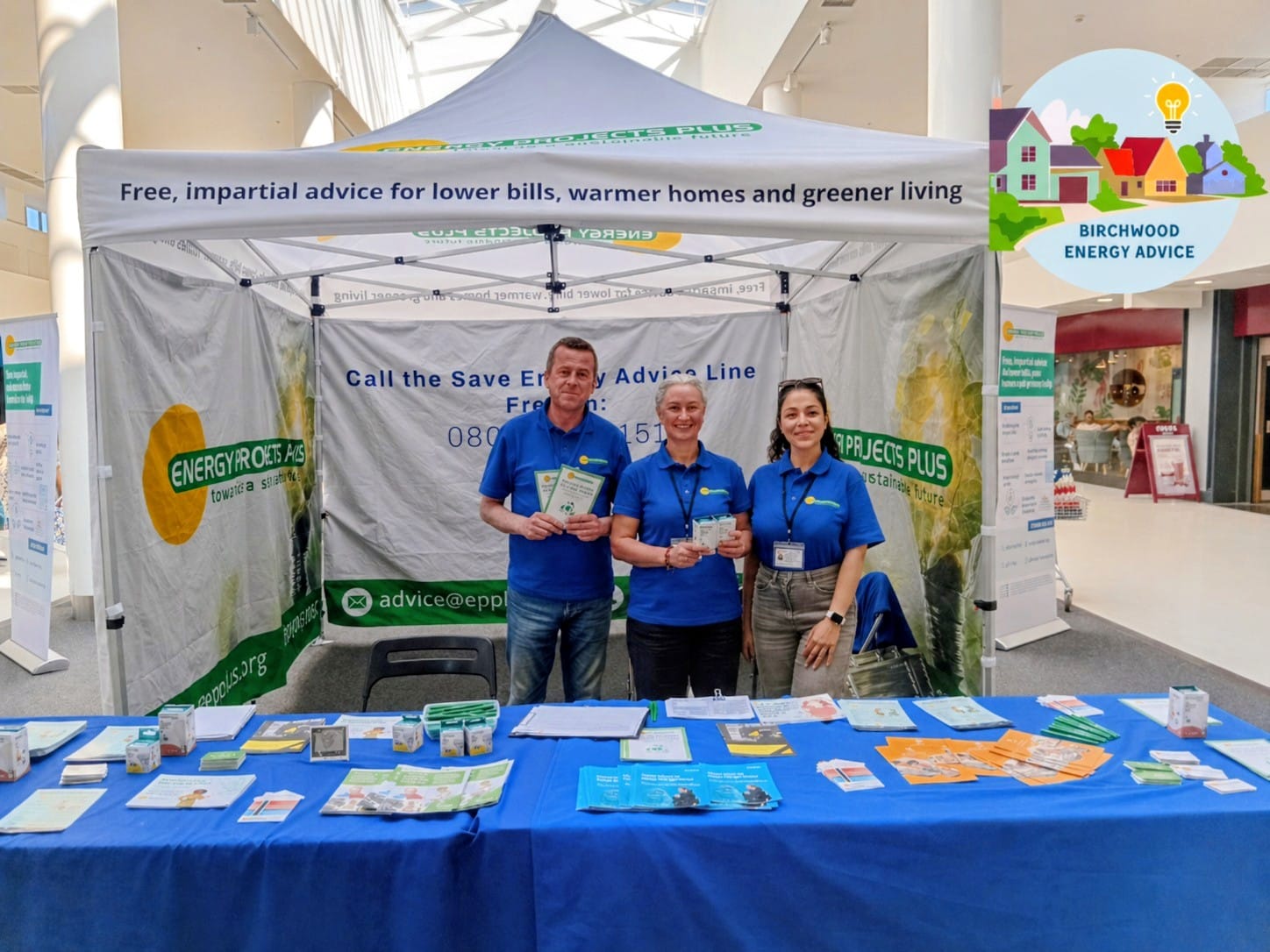
We’re now halfway through our Birchwood Energy Advice Campaign, an 8-week initiative bringing free, practical energy support directly into the heart of the community.
Over the past few weeks, our team has been out and about across Birchwood, speaking with residents and offering face-to-face advice on managing energy bills, understanding tariffs, keeping homes warm, and accessing additional support.
The response has been incredibly positive. So far, we’ve:
- Hand-delivered leaflets and energy advice guides to almost 4,000 households across Birchwood.
- Through nine community events so far, we have provided one-to-one energy advice to more than 250 residents.
- Distributed over 100 LED bulbs, 50 mini hygrometers, 40 carbon monoxide (CO) alarms, and hundreds of thermometer cards and information leaflets to help residents better manage energy use at home.
One of the biggest successes of the campaign hasn’t been measured in numbers.
What we’ve noticed is that the longer we’re present in the community, the more residents are willing to stop and talk to us. Familiar faces become trusted faces, and conversations that start with a quick question about an energy bill often develop into discussions about wider challenges people are facing at home.
This reinforces something we’ve long believed at Energy Projects Plus: meaningful engagement takes time. Building trust within communities is essential if we want people to access the support available to them, which is why we will remain available and active in the community well beyond the initial 8-week campaign.
It’s an approach we’re keen to replicate in other communities in the future. By establishing a visible local presence and demonstrating that we’re here for the long term, we hope to help more residents access the advice and support they need.
Still to Come
We still have two free “Let’s Talk” community sessions taking place at Birchwood Youth and Community Centre:
Let’s Talk Bills & Tariffs
📅 17 June | ⏰ 10:30am – 3:00pm
This free drop-in session will help residents better understand their energy bills and the support available to them. We’ll explain how the Energy Price Cap works, explore different tariff options including time-of-use tariffs, and discuss whether a Smart Meter could help households manage their energy use more effectively. We’ll also cover additional support available through the Priority Services Register, water social tariffs, and other schemes designed to help reduce household costs.
Let’s Talk Grants & Free Measures
📅 24 June | ⏰ 4:00pm – 7:30pm
This session is ideal for anyone interested in improving their home’s energy efficiency but unsure where to start. We’ll be explaining the funding and support currently available through schemes such as the Warm Homes: Local Grant, the Boiler Upgrade Scheme, and LEAP. Residents will also be able to learn more about insulation, solar panels, heat pumps, and free energy-saving measures that could help make their homes warmer, healthier, and more affordable to run.
If you’re based in Birchwood, or work with residents in the area, we’d love to see you there. And if you’d like to discuss bringing a similar community energy campaign to your area, we’d be delighted to hear from you.
Ofgem has closed its investigation into British Gas on its treatment of customers who had a prepayment meter (PPM) installed without their permission, with consumers set to benefit from the settlement agreement made with the regulator.
Ofgem’s investigation concluded that British Gas failed to meet the standards required of an energy supplier when installing prepayment meters, and that it breached licence conditions specifically designed to protect customers in vulnerable situations.
Ofgem’s press release states that, in recognition of its findings, British Gas has agreed to pay a £20 million payment into Ofgem’s Voluntary Redress Fund.
In addition, British Gas has agreed to a settlement package which includes:
- Compensation to affected customers in the period 2018-21. These payments are in addition to the compensation British Gas had already proactively paid to affected customers in the period 2022-23.
- Writing off up to £70 million of energy debt for vulnerable customers in accordance with a framework agreed by Ofgem, a proportion of which may be used as compensation for some customers.
- Continuing to provide the remainder of a £22.4 million voluntary support package British Gas launched in 2023, aimed specifically at supporting PPM customers.
- Creating a new Vulnerable Customers Debt Advisory Panel to inform and support British Gas in its ambition to develop industry-leading practices in the treatment of vulnerable customers in debt.
Customers who are due compensation will be contacted by British Gas and do not need to take any action. Compensation will be credited or paid directly to customers.
The investigation has been one of the most detailed and complex in the regulator’s history, involving analysis of customer cases and a comprehensive review of all British Gas’ related policies and procedures over a five-year period, covering every aspect of customer debt journeys.
Ofgem also gathered and reviewed evidence from Citizens Advice and the Energy Ombudsman about thousands of customer experiences in relation to the case.
British Gas accepts that it fell short in its treatment of vulnerable customers in the installation of PPMs and has taken action to address these failings. It has also committed to develop industry-leading practices in the treatment of vulnerable customers in debt going forward.
As a result of British Gas agreeing to these actions, Ofgem considers that this investigation is suitable for resolution via alternative action, as per its Enforcement Guidelines.
You can read Ofgem’s press release in full, here: https://www.ofgem.gov.uk/press-release/british-gas-agrees-settlement-relation-ofgems-investigation-unfair-treatment-prepayment-meter-customers

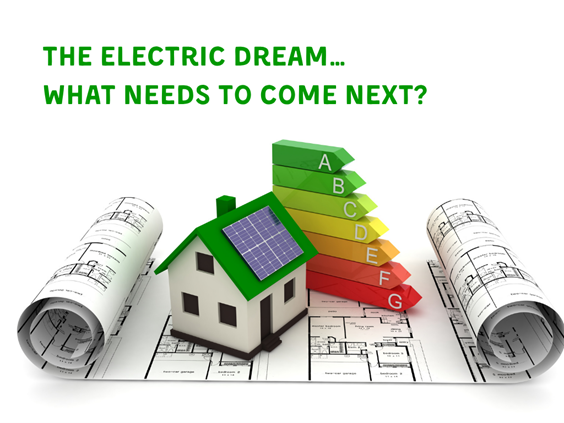
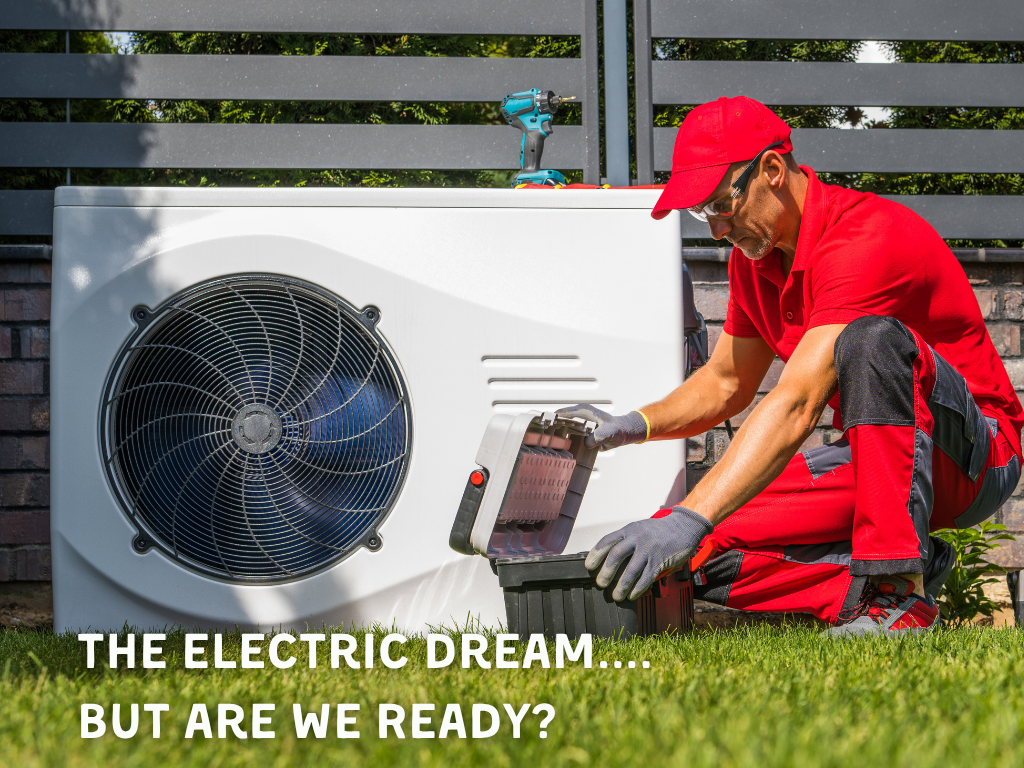
Following on from last month’s article, The Electric Dream… But Are We Ready? We explored the growing challenges around servicing and maintaining electric heating systems, we wanted to take a closer look at what this means in practice.
From what we’re seeing on the ground, there are a number of important considerations that are often being overlooked as the transition to electric heating gathers pace.
When residents are looking to install technologies such as heat pumps, particularly through schemes like the Boiler Upgrade Scheme, it’s essential to think beyond the installation itself.
We would strongly encourage households to ask installers whether they will provide ongoing servicing and repairs, and what that support looks like long-term. Unfortunately, if a client receives 100% grant-funding, they usually have no choice about who does the work or what aftercare is included. However, it’s still important to ask whether servicing will be arranged when it’s due. This is likely to cost more than gas boiler servicing. We’re hearing quotes of around £150.
There is also a growing concern around long-term affordability. While grants such as the Boiler Upgrade Scheme can support the initial installation, there is currently no equivalent funding available to replace a heat pump at the end of its life or if it fails outside of warranty. With replacement costs potentially reaching £10,000, this raises important questions about how households, particularly those already struggling, will manage in the future.
At a recent industry conference, it was suggested that households could set aside savings from reduced energy bills to prepare for future costs. However, for many of the residents we support, this simply isn’t realistic. For those already struggling to afford their energy bills, setting aside additional savings each month simply isn’t an option.
We’re also seeing unintended consequences around Energy Performance Certificates (EPCs). While improvements such as heat pumps or solar panels can raise a home’s EPC rating often to a C or above, which is positive for reducing carbon emissions, it can also leave households ineligible for future grant funding. This funding is typically targeted at homes with lower EPC ratings (bands D–G).
This is particularly upsetting in cases we’re aware of, where a grant has led to the installation of solar panels, leaving a vulnerable household in an uninsulated, cold and draughty property, whose gas heating is unaffordable to them, and who wish they’d received insulation instead of their largely decorative solar panel.
This raises an important question:
Are we always installing the right measures, in the right homes, for the right people?
As the transition to low-carbon heating continues, we must look beyond installation targets and consider the full journey for households.
This includes ensuring that clear advice, accessible aftercare, skilled engineers, and long-term financial support are in place. Without this, there is a real risk that the very people these schemes are designed to help could be left at a disadvantage.
We’d welcome thoughts from others working across the sector. If you have insights or examples to share, we’d love to hear from you. Please email info@epplus.org.

We’re pleased to share that our website now includes the Recite Me accessibility toolbar. This addition ensures that every website visitor, regardless of their individual needs, can browse, engage, and access our content more easily.
Breaking Down Barriers Online
With an estimated 1 in 4 people facing challenges online due to disabilities, learning differences, visual impairments, or language barriers, accessibility is no longer optional; it’s essential.
This new feature helps make our website more accessible to more people. The toolbar allows visitors to personalise how they view and interact with our website, making it easier for people with a range of accessibility needs to access information and support.
By simply clicking the accessibility icon (the stick figure) on any page, the Recite Me toolbar will appear. From there, users can choose from a variety of helpful tools, including the ability to translate content into different languages, have text read aloud, and adjust the size, style, and colour of text.
There are also features to change colour contrast, enlarge the cursor, and highlight text as it’s being read, which can be particularly helpful for people with visual impairments, dyslexia, or other accessibility needs.
At Energy Projects Plus, we believe inclusion isn’t optional; it’s essential. By adding the Recite Me toolbar, we’re helping make our website more accessible so more people can get the information and support they need.

We’re pleased to have supported a recent fuel poverty programme, led by St. Helens Council and Mersey and West Lancashire Teaching Hospitals NHS Trust. Their pilot project offered interventions to help make homes warmer through Winter, to patients with chronic health conditions made worse by cold.
We’re delighted to announce that this pilot has now published findings, showing a near 10% reduction in GP appointments following targeted energy advice and support!
The project focused on vulnerable adults, targeting those with chronic obstructive pulmonary disease (COPD) in St Helens and Knowsley. Using the Combined Intelligence for Population Health Action (CIPHA) system, the programme identified people most at risk and offered a holistic package of support, including medicines optimisation, pulmonary rehabilitation referrals, tobacco dependency support, and help with finances. Nearly 700 people have benefited from the scheme so far, demonstrating how practical energy and health support can improve wellbeing and reduce pressure on GP services.
As part of the pilot, energy advice and support was provided to vulnerable adults identified through the programme. This included home visits to assess how their homes could be made more energy-efficient, practical advice on reducing energy usage, and guidance on available funding or support. Through these referrals, participants could access the support they needed to stay warm, healthy, and reduce their energy costs.
Rhiannon Clarke, Senior Programme Manager at Health Innovation North West Coast, said:
“These results are fantastic, and they validate everything we’ve been doing. They show how well the scheme has not only supported people with COPD but also relieved some of the pressures on the healthcare system.
“We knew that an innovative scheme such as this could make the most of the knowledge and expertise we have in the region and target support to those who were most in need”.
You can read more about it here!
This is a strong example of how energy advice and health support go hand in hand, and has led to more health & housing fuel poverty pilots being established across the footprint of NHS Cheshire & Merseyside. If you work for a health team in Cheshire, Merseyside, or West Lancashire, and are interested in learning about the support and advice Energy Projects Plus can provide to your patients, please email dominic.griffiths@epplus.org to find out more.

With the government’s Warm Homes Plan placing greater emphasis on clean energy and reducing reliance on fossil fuels, there’s a clear and positive shift towards electrification.
We’re seeing increasing numbers of air source heat pumps, electric boilers, and storage heaters being installed in homes across the UK. But as this transition gathers pace, we’re beginning to notice a growing challenge that needs more attention:
What happens after installation?
Over the past few months, we’ve supported a number of clients experiencing issues with installed electric heating systems. From faults with air source heat pumps to problems with electric boilers and storage heaters, the common theme has been the same: finding someone to service, repair, or support these systems has been incredibly difficult.
In one case, an 80-year-old resident had an air source heat pump (ASHP) installed through a government scheme in 2023. The installer’s warranty ended in May 2025, and just a few months later, a fault developed, leaving the resident with no heat. As the installer’s warranty had expired, the original installer was unwilling to provide further support. The resident had phoned a number of ASHP installers, none of whom would assist him. After considerable research, we were able to find and persuade a local heat pump installer to undertake a service and hopefully solve the issue.
In a similar case, a client with a relatively new electric boiler, broken and leaving the client and young child with no heat, had been unable to find an engineer to carry out repairs despite reaching out to the manufacturer and local installers. After researching and ringing around unsuccessfully ourselves, through our links, we were able to arrange for a local gas heating engineer with limited experience of electric boilers to “go the extra mile” and visit. After troubleshooting with an engineer elsewhere in the country, the fault was diagnosed and heating restored.
These are not isolated incidents.
While the move towards cleaner, electric heating is absolutely the right direction, it raises an important question:
Do we currently have the infrastructure, skills, and support systems in place to maintain what we’re installing?
Without the right aftercare: servicing, repairs, advice, and skilled engineers – there is a real risk that residents, particularly those who are older or vulnerable, could be left struggling with systems they don’t fully understand and can’t easily get fixed.
At Energy Projects Plus, we’re increasingly being asked for help in these situations and we’re finding that solutions aren’t always easy to come by.
So we want to open up the conversation.
- Are others seeing similar issues?
- Are there networks, providers, or solutions we’re not aware of?
- How do we ensure that alongside installation, there is a long-term plan for support and maintenance?
If you have insights, experience, or can help point us (and the residents we support) in the right direction, we’d really welcome the conversation. Please email info@epplus.org.
Let’s work together to ensure the electric dream doesn’t become a nightmare for the people it’s meant to help.

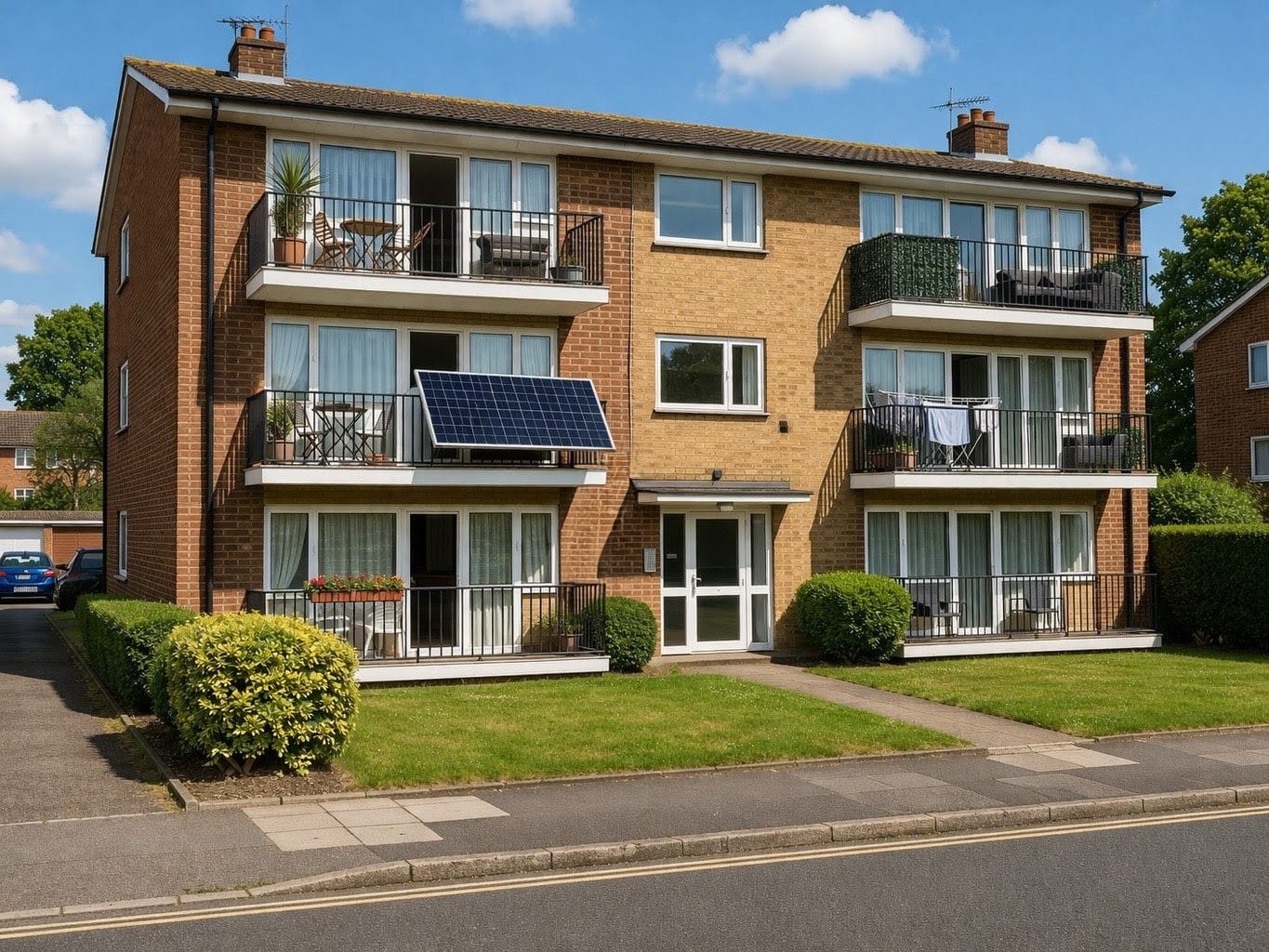
Today, the Government has published a press release, detailing plans for the rollout of “plug-in” solar panels (low-cost panels that families can put on their balconies or outdoor space) to be available in shops within months and save people money on their bills. In it they say:
- “Plug-in” solar panels to be in shops within months, offering households chance to significantly cut energy bills.
- “Move comes as Government steps up drive for clean homegrown power to get the UK off dependency on fossil fuel markets.
“Retailers like Lidl and Iceland, alongside manufacturers such as EcoFlow, are working with Government to enable them to be brought to the UK market.
“Plug-in solar is already widely used by households across Europe, with Germany seeing around half a million new devices plugged in per year.
“The free solar power can be used directly through a mains socket like any other device, without an installation cost, thereby reducing the amount of electricity taken from the grid and cutting energy bills.
“The easy-to-install technology could save many households significant amounts on their energy bills and help make the UK less reliant on global fossil fuel markets.
“This is alongside new rules coming into force today implementing the Future Homes Standard, which includes common-sense measures to ensure the majority of new homes are built cheaper to run, with solar panels and clean heating as standard.”
Energy Secretary Ed Miliband said:
“Whether through solar panels fitted as standard on new homes or making it possible for people to purchase plug-in solar in shops, we are determined to roll out clean power so we can give our country energy sovereignty.”
Energy Projects Plus welcomes plans to help householders reduce their energy bills, and right-sized solar panels installed in the right location can knock hundreds of pounds off annual costs.
The prime location for a solar panel sees it facing South, with no shading (e.g. from nearby trees or other buildings). Modern solar panels can work when facing other directions, but the amount of energy generated will be less.
When well positioned, a solar panel could be expected to generate roughly 1,000 hours of its peak input per year. Therefore an 800W solar panel (the largest that would be available as a plug-in) could generate 800kWh per year. At today’s rate of 26p per kWh, this panel could save £208 over a year if all the generated electricity is used instead of mains electricity. Upfront costs are expected to be around £450, so the panel could pay for itself within 3 years.
You can learn more about residential energy demand, and managing your energy bills by calling our Save Energy Advice Line free on 0800 043 0151, or emailing us at advice@epplus.org.
OFGEM (the government’s Office for Gas and Electricity Markets) has today provided the following information on how the situation in the Middle East could affect wholesale energy costs and bills:
“We know that the ongoing conflict in the Middle East is concerning. Our thoughts are with everyone affected, and we understand why many households will be worried about what this could mean for energy prices in Great Britain (England, Scotland and Wales).
“Global energy markets are closely connected, and international events can affect wholesale gas and electricity prices. However, it is important to be clear about what this means for consumers right now. In the short term, households on standard variable tariffs are protected by the energy price cap until the end of June. This means suppliers cannot charge more than the cap allows, even if wholesale prices rise during this period.
“The situation is still developing, and it is too early to know how long-lasting any market impacts may be. While the UK’s energy supplies remain secure, sustained disruption to global gas markets could put pressure on prices in future price cap periods. Ofgem continues to closely monitor developments and works with government, industry and system operators to protect consumers.
“For now, there are practical steps consumers can take:
- If you are on a standard variable tariff, the price cap means your unit rates and standing charges are protected until the end of June.
- If you are on a fixed deal, your prices will not change for the length of your contract.
- If you are worried about bills, contact your supplier early – they must offer support, including payment plans or help if you are struggling.
- Simple actions such as submitting regular meter readings, checking you are on the best tariff for you, and reducing energy use where possible can also help.
“Our priority remains protecting consumers and ensuring the energy system continues to work for households across Great Britain.”
You can read OFGEM’s press release here: https://www.ofgem.gov.uk/news/what-situation-middle-east-means-your-energy-bills