
Following on from last month’s article, The Electric Dream… But Are We Ready? We explored the growing challenges around servicing and maintaining electric heating systems, we wanted to take a closer look at what this means in practice.
From what we’re seeing on the ground, there are a number of important considerations that are often being overlooked as the transition to electric heating gathers pace.
When residents are looking to install technologies such as heat pumps, particularly through schemes like the Boiler Upgrade Scheme, it’s essential to think beyond the installation itself.
We would strongly encourage households to ask installers whether they will provide ongoing servicing and repairs, and what that support looks like long-term. Unfortunately, if a client receives 100% grant-funding, they usually have no choice about who does the work or what aftercare is included. However, it’s still important to ask whether servicing will be arranged when it’s due. This is likely to cost more than gas boiler servicing. We’re hearing quotes of around £150.
There is also a growing concern around long-term affordability. While grants such as the Boiler Upgrade Scheme can support the initial installation, there is currently no equivalent funding available to replace a heat pump at the end of its life or if it fails outside of warranty. With replacement costs potentially reaching £10,000, this raises important questions about how households, particularly those already struggling, will manage in the future.
At a recent industry conference, it was suggested that households could set aside savings from reduced energy bills to prepare for future costs. However, for many of the residents we support, this simply isn’t realistic. For those already struggling to afford their energy bills, setting aside additional savings each month simply isn’t an option.
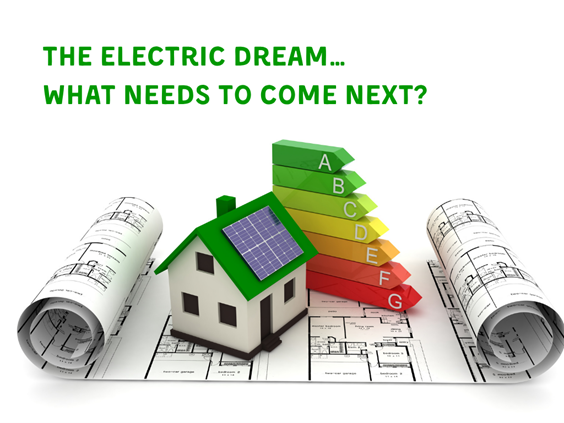
We’re also seeing unintended consequences around Energy Performance Certificates (EPCs). While improvements such as heat pumps or solar panels can raise a home’s EPC rating often to a C or above, which is positive for reducing carbon emissions, it can also leave households ineligible for future grant funding. This funding is typically targeted at homes with lower EPC ratings (bands D–G).
This is particularly upsetting in cases we’re aware of, where a grant has led to the installation of solar panels, leaving a vulnerable household in an uninsulated, cold and draughty property, whose gas heating is unaffordable to them, and who wish they’d received insulation instead of their largely decorative solar panel.
This raises an important question:
Are we always installing the right measures, in the right homes, for the right people?
As the transition to low-carbon heating continues, we must look beyond installation targets and consider the full journey for households.
This includes ensuring that clear advice, accessible aftercare, skilled engineers, and long-term financial support are in place. Without this, there is a real risk that the very people these schemes are designed to help could be left at a disadvantage.
We’d welcome thoughts from others working across the sector. If you have insights or examples to share, we’d love to hear from you. Please email info@epplus.org.