
What We Learned From the Merseyside Fuel Poverty Conference 2025
Fuel poverty remains one of the most persistent and damaging issues facing households across Merseyside. Despite years of effort, the scale of the problem has barely shifted. In 2011, 13.2% of households were living in fuel poverty; in 2023, the figure stands at 12.9%.
Four years into the energy crisis, families continue to face impossible choices: heating or eating, rent or energy bills. For children, older residents and people with health conditions, the consequences of living in cold, damp homes are immediate and severe.
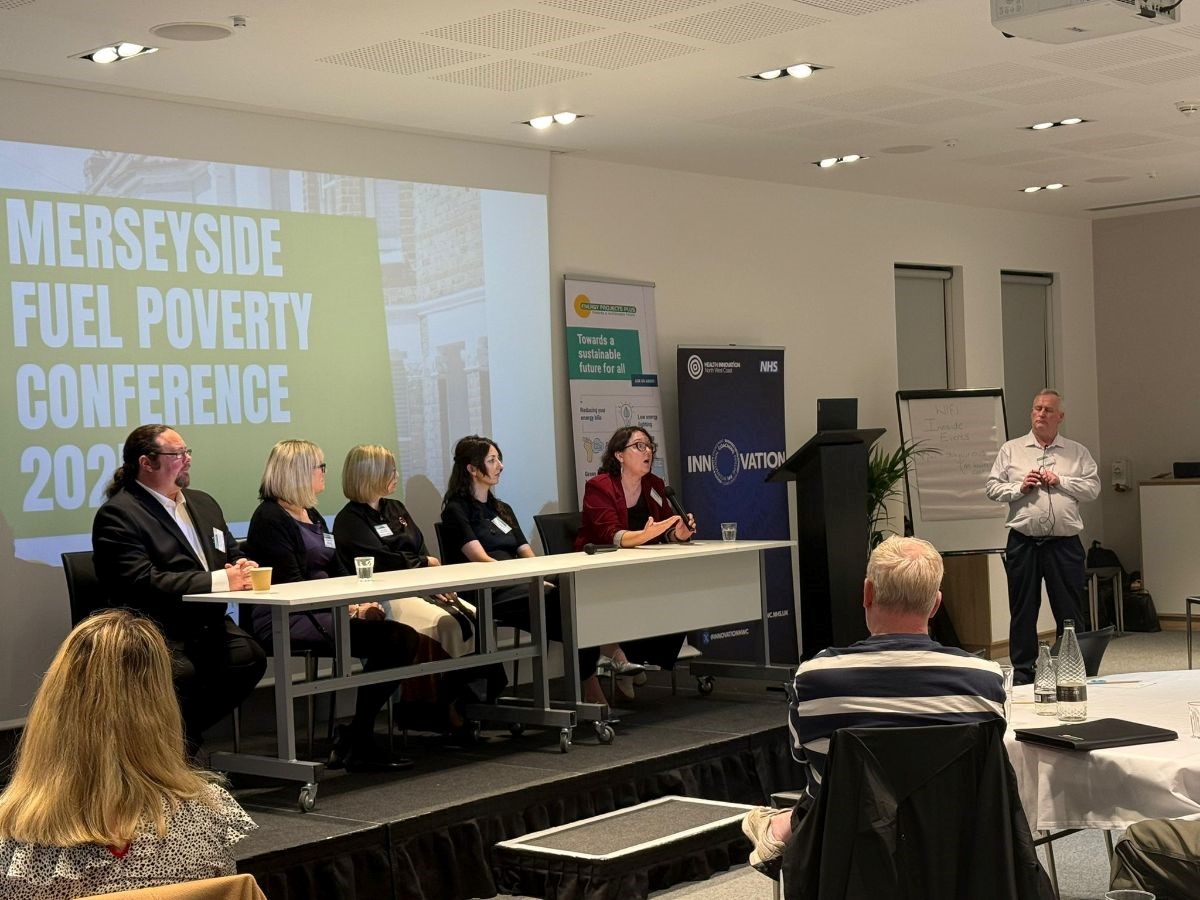
Against this backdrop, 80 professionals from across the region came together for the Merseyside Fuel Poverty Conference, hosted by Energy Projects Plus (EPP) and co-funded by the British Gas Energy Trust (BGET). The event brought together charities, councils, housing providers, health professionals, community groups and energy specialists, all united by the same goal: to understand the barriers facing households, share what is working, and push for stronger collaboration across Merseyside.
Below are the key themes and insights from the day.
Breakout Session 1: Barriers Preventing Households From Getting Support
The first breakout session highlighted a range of challenges that continue to prevent households from accessing the help they need.
Barriers for Households
Delegates described common issues seen across Merseyside:
- Stigma, pride and fear of judgement when asking for help
- Lack of trust following scams or negative past experiences
- Language and literacy barriers
- Poor mental health, stress and chaotic lifestyles are limiting engagement
- Confusion and misinformation around health and energy advice
- Digital exclusion, particularly among older residents
- “On the cusp” clients who don’t meet strict eligibility rules
- Worries that landlords will increase rents after energy improvements
- Debt-related shame leading to avoidance of bills or disengagement
Barriers for Organisations
Organisations reported their own barriers too: short-term funding cycles, complex national eligibility rules, poor data-sharing arrangements, limited staff capacity, gaps in referral knowledge, and slow planning processes for retrofit measures. Energy suppliers’ poor customer service and the legacy of low-quality previous installations further damage trust and make support harder to deliver.
A strong theme emerged across the room: people are falling through the gaps not because they don’t need help, but because systems remain too complex, inconsistent, and under-resourced to catch them.
Breakout Session 2: What’s Working Across Merseyside
Despite the challenges, there is a great deal of effective practice happening locally.
Delegates emphasised the importance of:
- Face-to-face support
- Clear, jargon-free communication
- Outreach through trusted community spaces such as foodbanks, churches, warm hubs and pop-up events
- Integrated energy efficiency and income-maximisation advice
- Partnership-led programmes and one-stop support models
- Flexible appointments and continuity of service
- Academic partnerships and local research
- Strong, trusted messengers drive engagement, whether that’s a council logo or a well-known local organisation get the best outcomes
The Next Steps: What Professionals Agreed Must Happen Next
Across all discussion tables, one message came through strongly: we must work together – not in competition and not in isolation. Professionals highlighted the need for a unified cross-sector referral pathway, regular knowledge-sharing forums, and better mapping of services to reduce duplication and identify gaps. Delegates also stressed the importance of tackling misinformation collectively, securing more stable funding for frontline teams, and strengthening links between health and fuel poverty services. Overall, attendees agreed that Merseyside has the passion and expertise to make lasting change, and what’s needed now is a more coordinated system.
The conference made one thing clear: fuel poverty cannot be solved by any single organisation. It requires shared commitment, shared knowledge and shared action.
The energy crisis has pushed thousands more households into hardship, but it has also brought partners together with renewed determination. By working collectively, Merseyside can change the story for the families who need it most.
To every speaker, delegate, volunteer and partner: thank you!