


In their 45th anniversary year, National Energy Action invited delegates from around the country, to their hometown of Newcastle, for this year’s National Fuel Poverty Conference. Our Dominic Griffiths represented Energy Projects Plus, and shares his notes here.
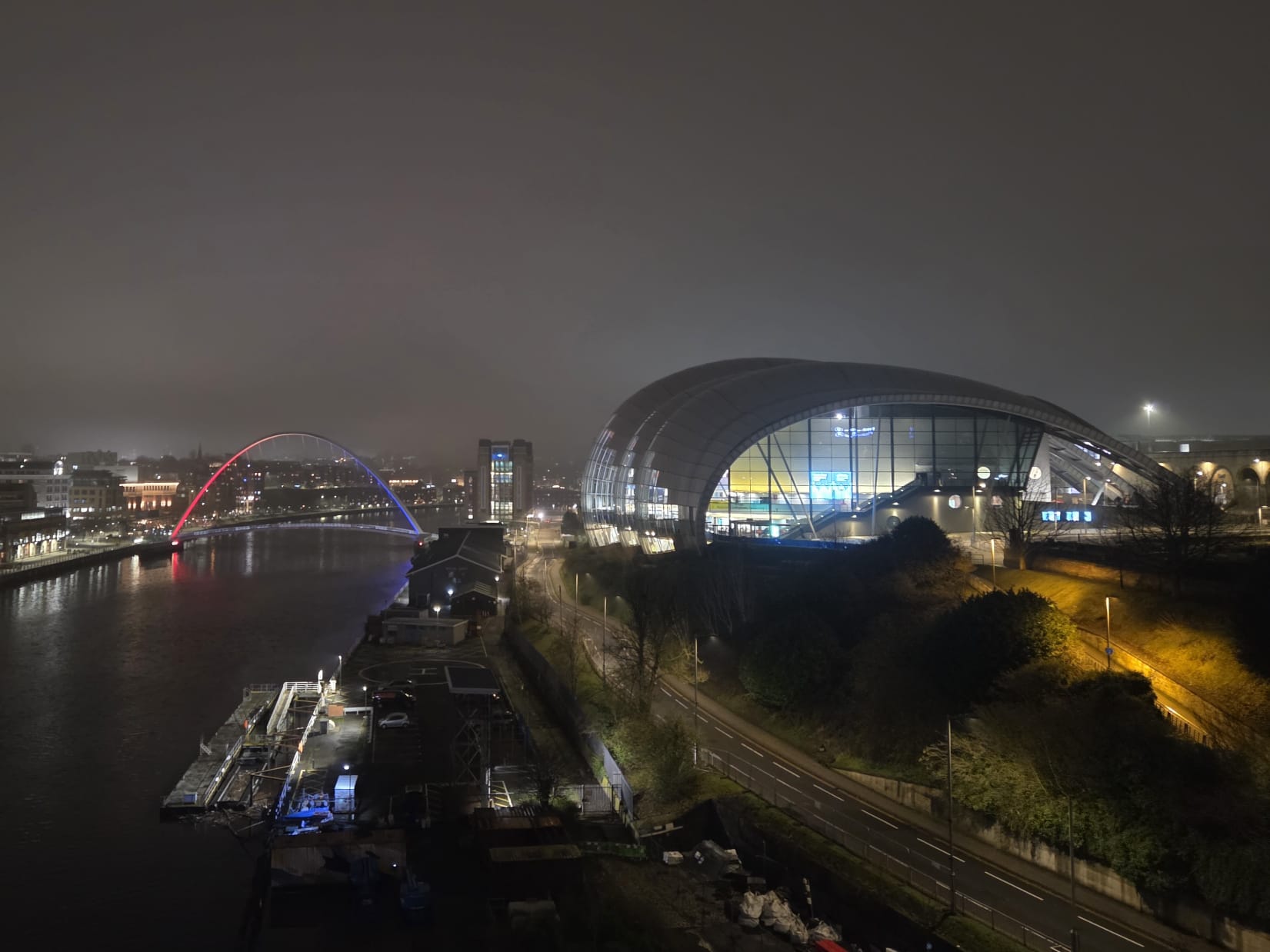 The Glasshouse International Centre for Music strikes an imposing figure on the bank of the Tyne. I’ve passed it a few times over the years, but hadn’t realised how massive it was inside. And it needed to be; with 450 delegates, speakers, and exhibitors over 3 days, this is NEA’s largest ever conference. Though, technically, it’s actually located in Gateshead, and not Newcastle (several of the local attendees were keen to point out this fact over the course of the conference).
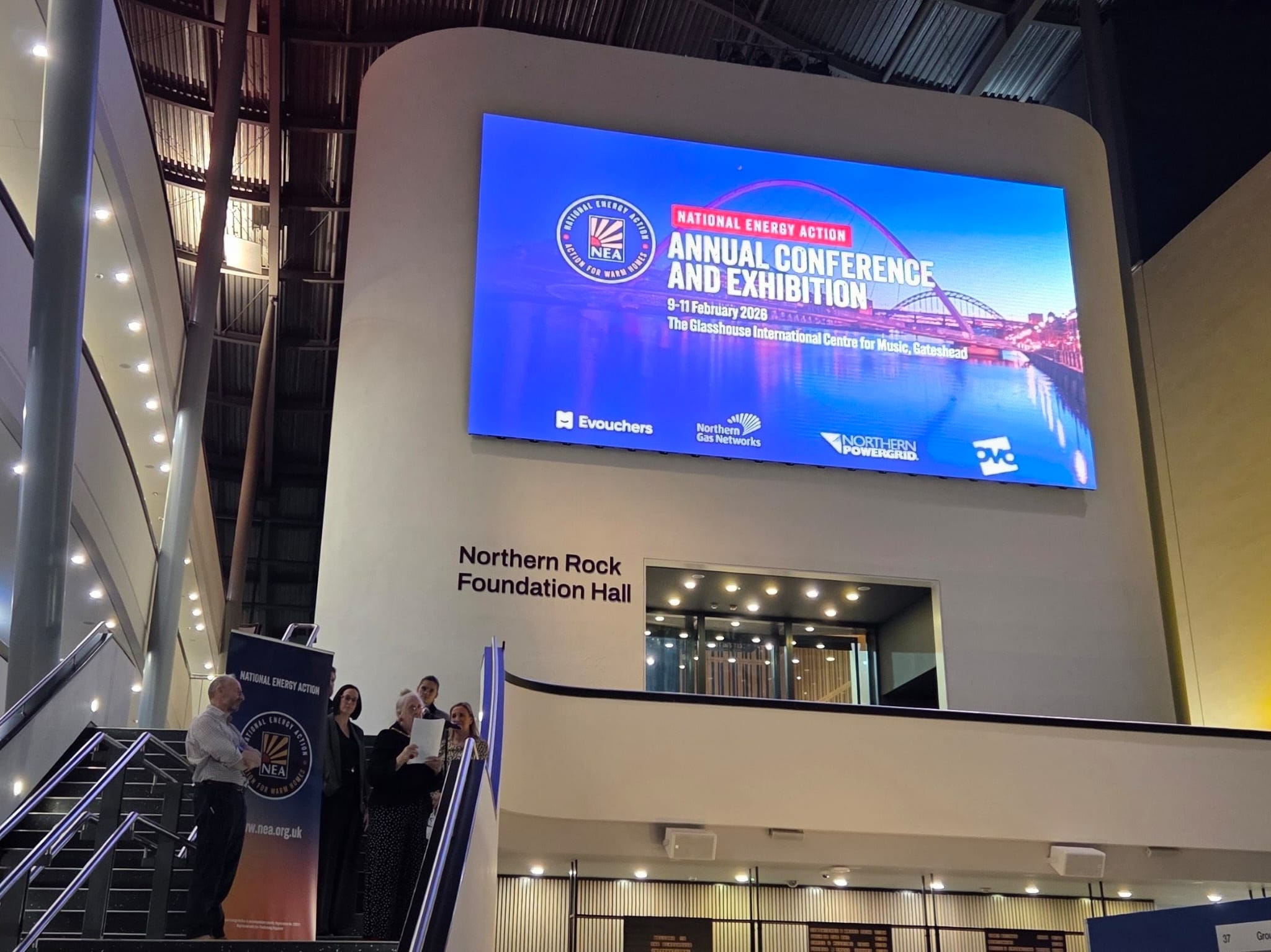 Monday evening saw the Exhibition opened officially by the Mayor of Gateshead, Councillor Freda Geddes, alongside NEA’s Chief Executive Adam Scorer, and representatives from the Conference sponsors, Evouchers, Northern Gas Networks, Northern Powergrid, and OVO. I was glad of the opportunity to catch up with friends, including Charis Grants, Christians Against Poverty, and LEAP (Local Energy Advice Partnership), who were exhibiting for the duration of the conference.
Tuesday morning overview
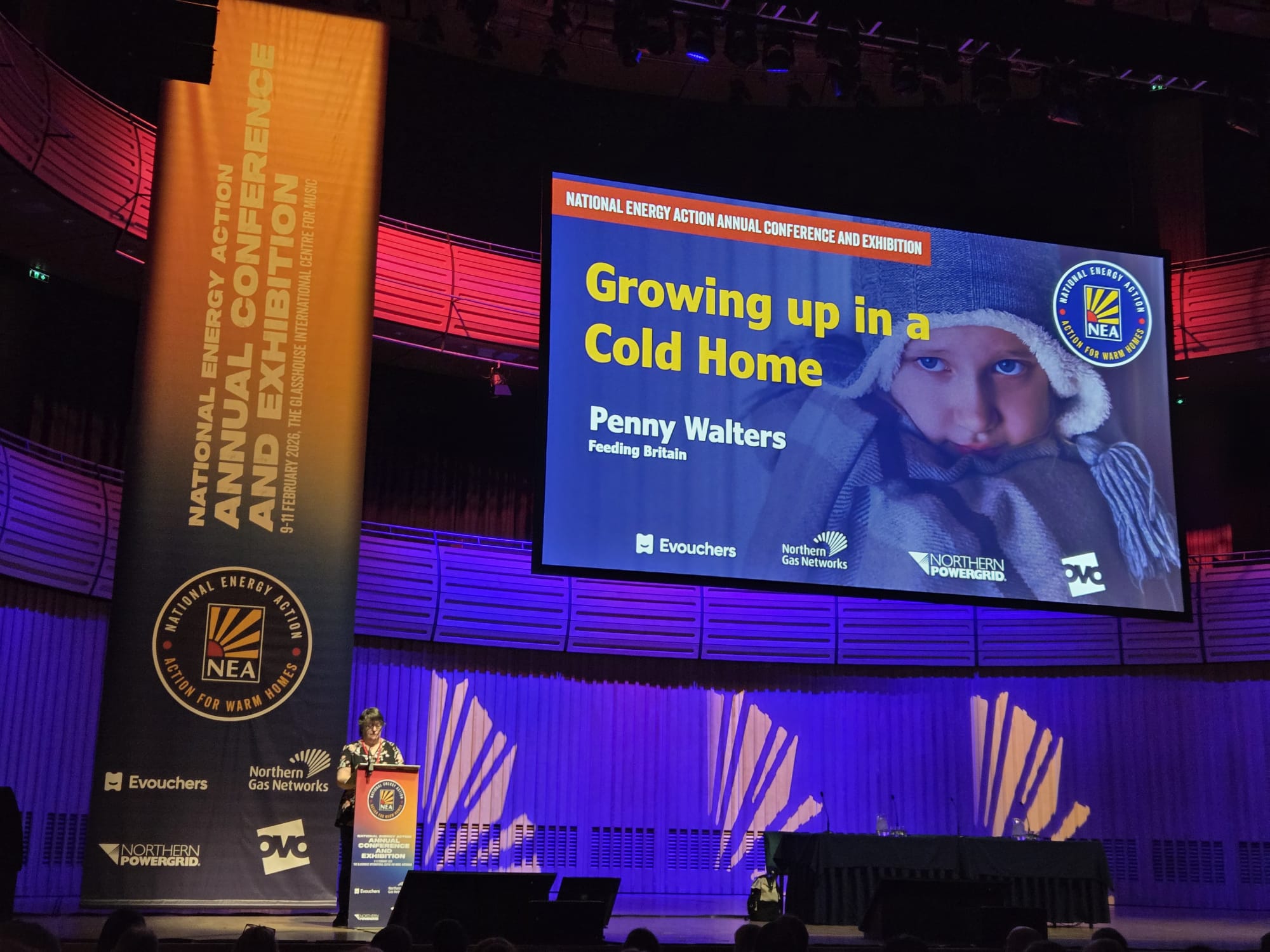 |
09:35-09:45 Spotlight on: Growing up in a cold home Penny Walters from Feeding Britain, opened the conference with a reading of her poem, Voice, urging us to use our voices, to speak up for those without a voice. |
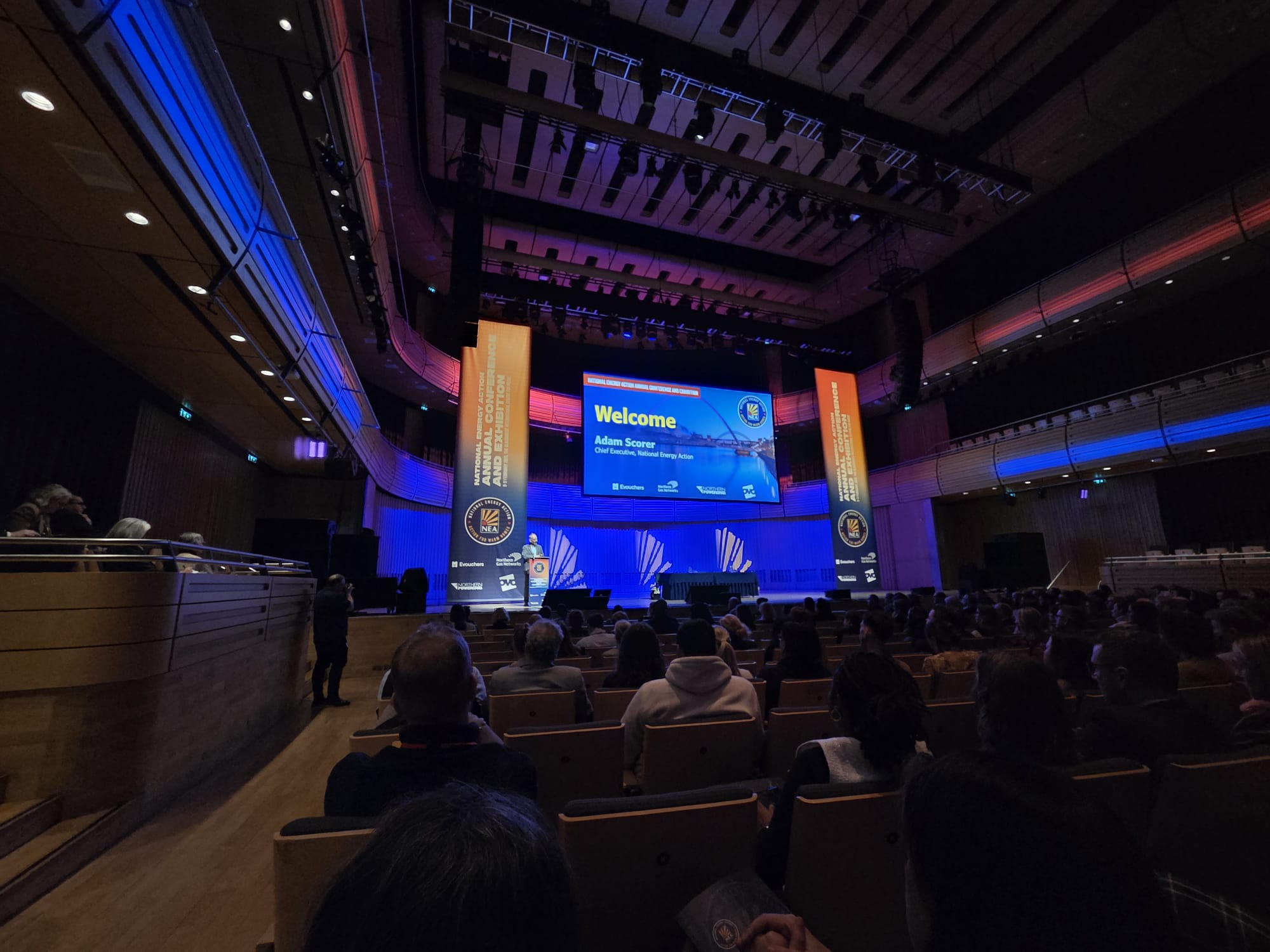 |
09:45-10:15 Welcome address and reflections NEA Chief Executive, Adam Scorer, took to the stage to welcome us, and highlight the power of lived experience, such as that of Penny Walters. Adam says ‘lived experience doesn’t just inform what we do, it defines what we do.’ |
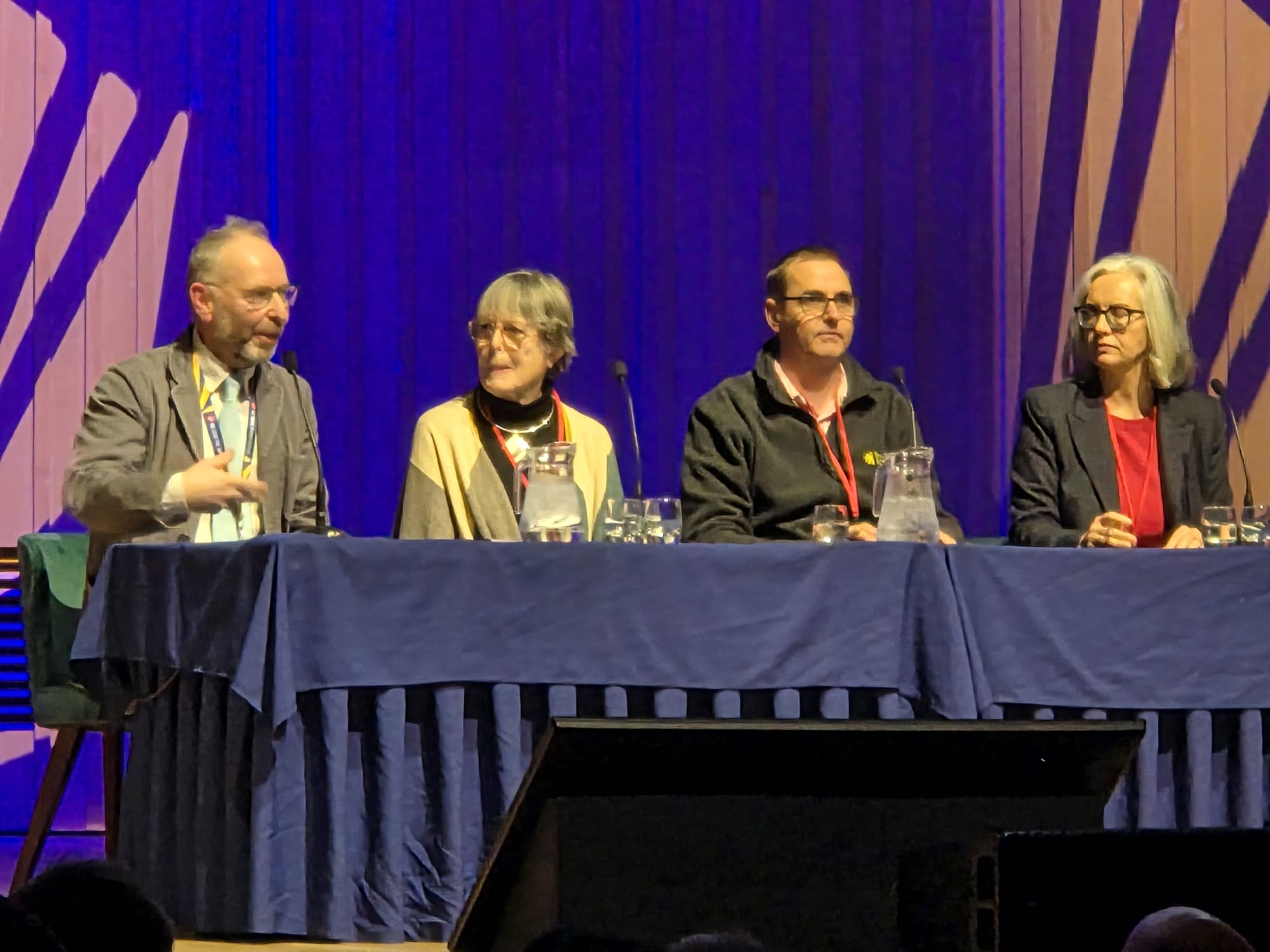 |
10:15-10:40 45 years of fighting fuel poverty Dr. Brenda Boardman literally defined fuel poverty in her 1991 book, “Fuel Poverty: From Cold Homes to Affordable Warmth” in which she stated fuel poverty exists where a household has to spend more than 10% of their income to keep warm. While other definitions of fuel poverty have existed since this time, she states hers remains the only definition that can be used on the doorstep. In thinking back over the past 45 years, she said “fuel poverty was bad in 1980 and unrecognised. Fuel poverty is bad now, but at least it is recognised.” Ian Preston of CSE declared area-based action is needed to continue the fight against fuel poverty: National advice isn’t enough. |
|
|
11.15-11.25 Spotlight on: Community Retrofit Hubs NEA manages several Community Retrofit Hubs, and their Home Retrofit Consultant Aisling McGovern provided an overview of the barriers and successes, highlighting how little knowledge there is in the community about retrofit measures, the length of time it takes to engage with residents, build trust, and get contractors to deliver the work, often with tight deadlines due to stop-start funding streams. Aisling stressed the requirement of local energy advice experts to hold the hand of residents, through the journey and beyond. |
|
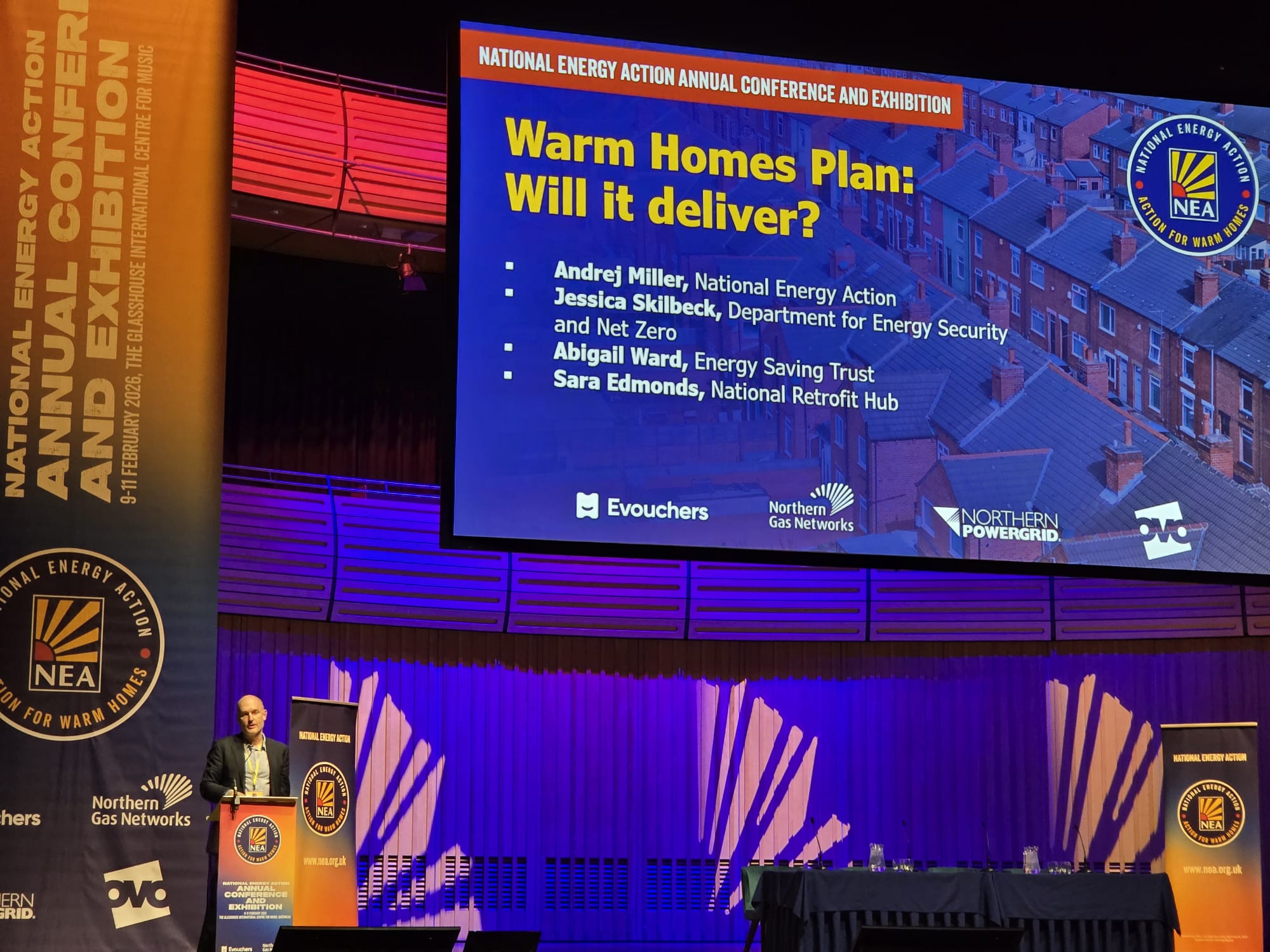
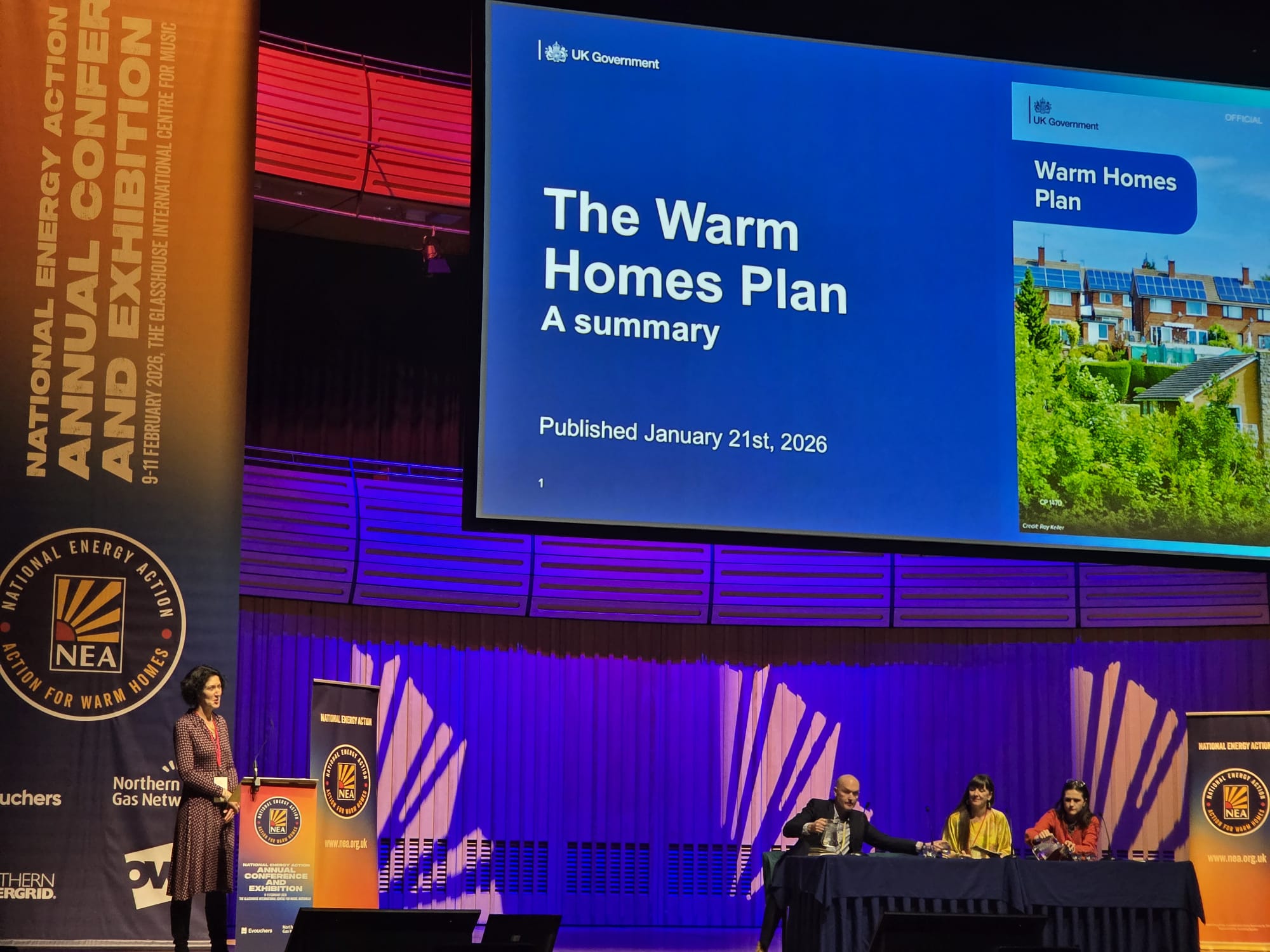
11.25-12.30 Warm Homes Plan – will it deliver? |
|
|
|
NEA’s Andrej Miller introduced a topic that most of us in the room were particularly keen to hear about, as the Warm Homes Plan had only recently been published, and there were several notable gaps in the plan, including details around the financial support for residents deemed “able to pay” by government, and also whether there’s any room for we assembled energy advisors within the £15bn programme. |
|
|
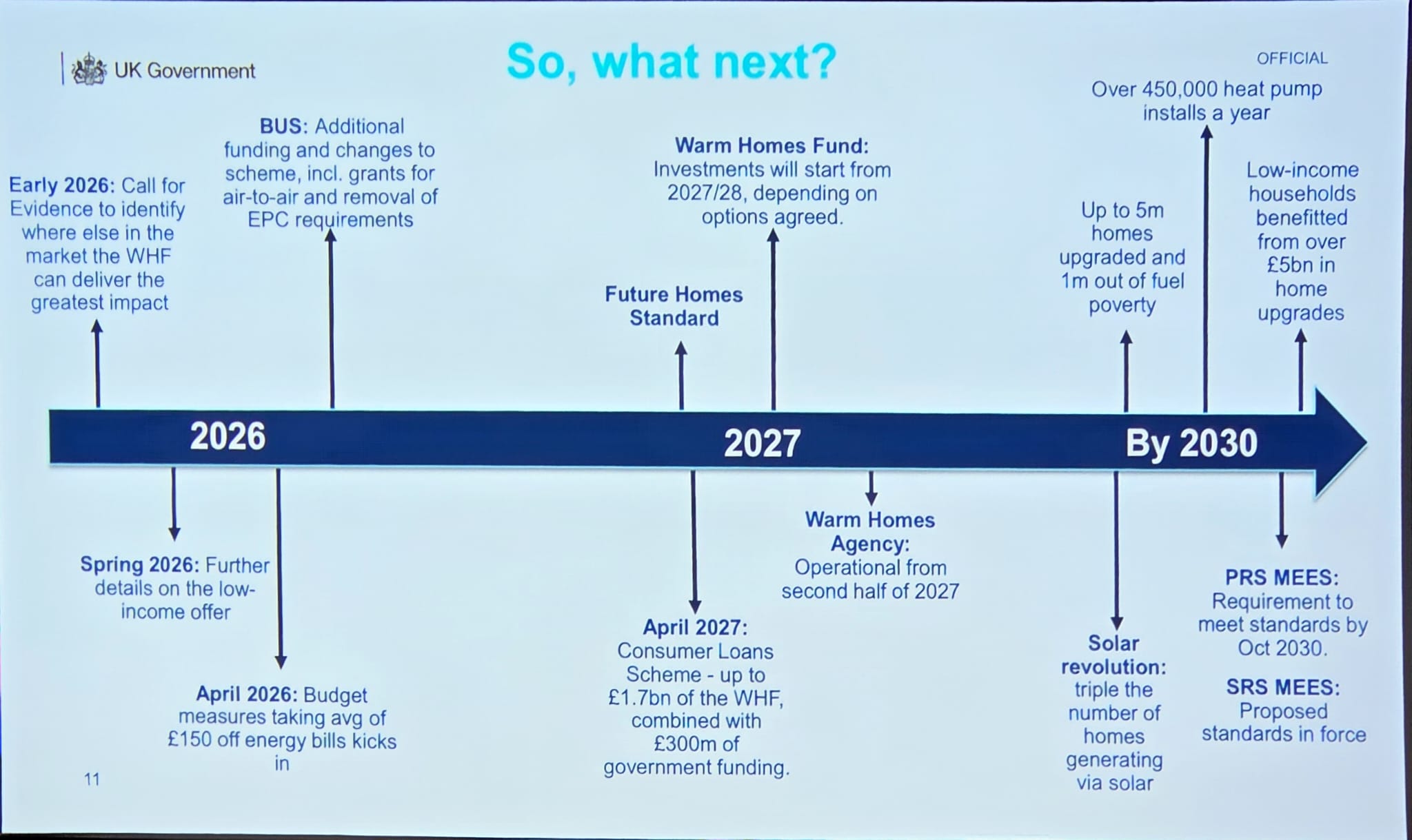
Jessica Skilbeck from Department for Energy Security and Net Zero, provided an executive summary of the plan, as well as some of the “next steps” including when we might see funding for air-to-air heat pumps
There were many fears in the room that government’s declared “Warm Homes Agency” would try to replicate all of our work, from a central location nationally, which would be helpful only to those few people who. Jessica tried to allay these fears, by stating that the Warm Homes Agency is only intended to bring together the advice currently offered by DESNZ, OFGEM, and Salix, to save some money, and ensure there’s a single message from government around retrofit. |
|
|
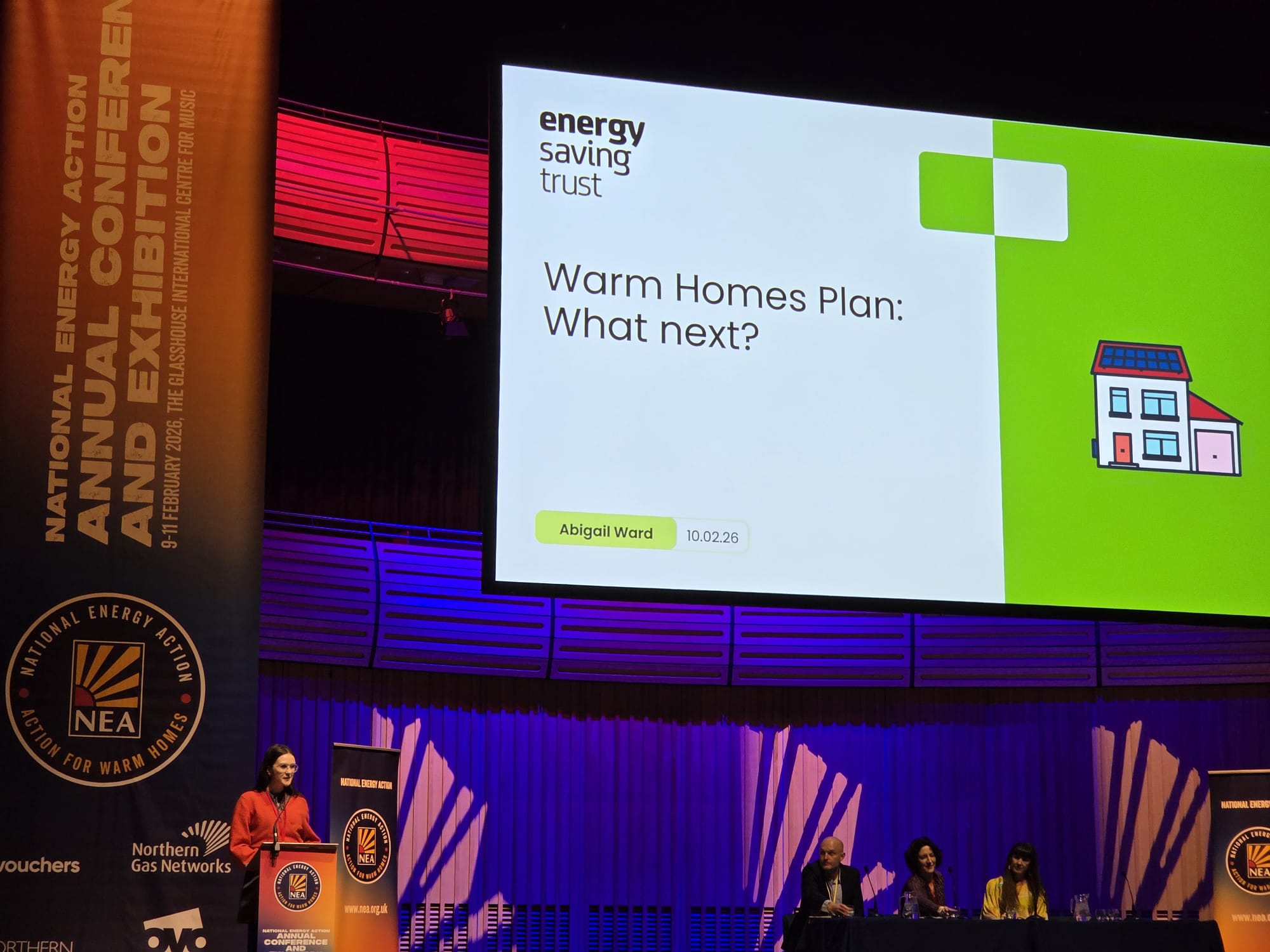
Abigail Ward from Energy Saving Trust was keen to point out that local energy advice is required, and suggested a single national telephone number could be promoted, that diverts callers to a local agency who can provide expert advice and support. We remember delivering |
Tuesday afternoon overview
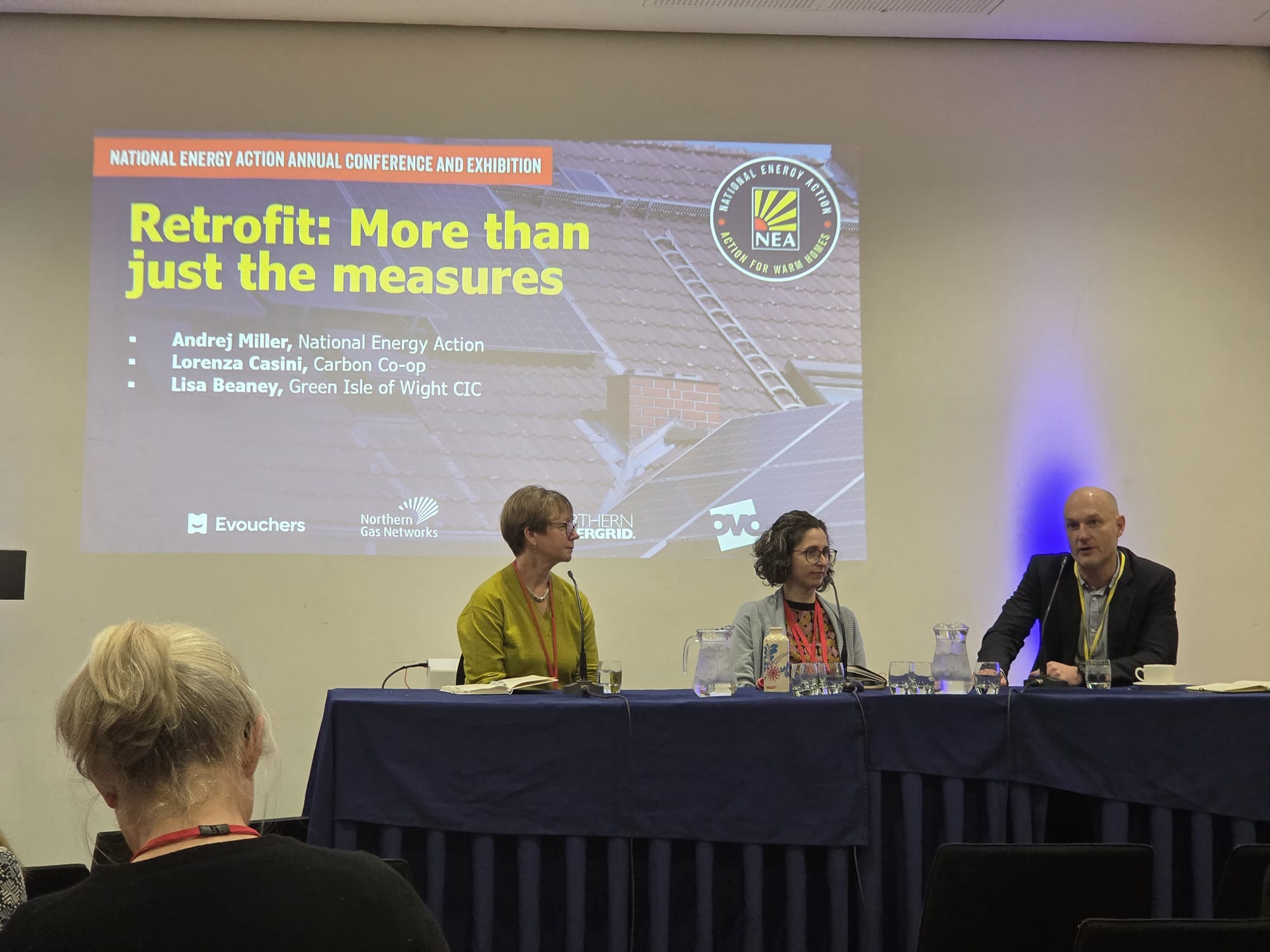 |
14.00-15.15 Retrofit: More than just the measures In this breakout session, Lorenza Casini from Manchester-based Carbon Co-op, dispelled some myths, including the idea that vulnerable residents don’t care about the environment. However, for people who just want to live in a warm, safe home, carbon reduction may simply be a side-effect for them when reducing their bills. Lisa Beaney, from Green Isle of Wight CIC finds “carbon” doesn’t resonate with her residents, and focuses instead on making homes warm. She agrees that what is needed to achieve national retrofit and Net Zero targets, is high quality, in-home energy and retrofit advice. She went on to say these expert advisors need to be independent, not the Council, and not the Housing Association. |
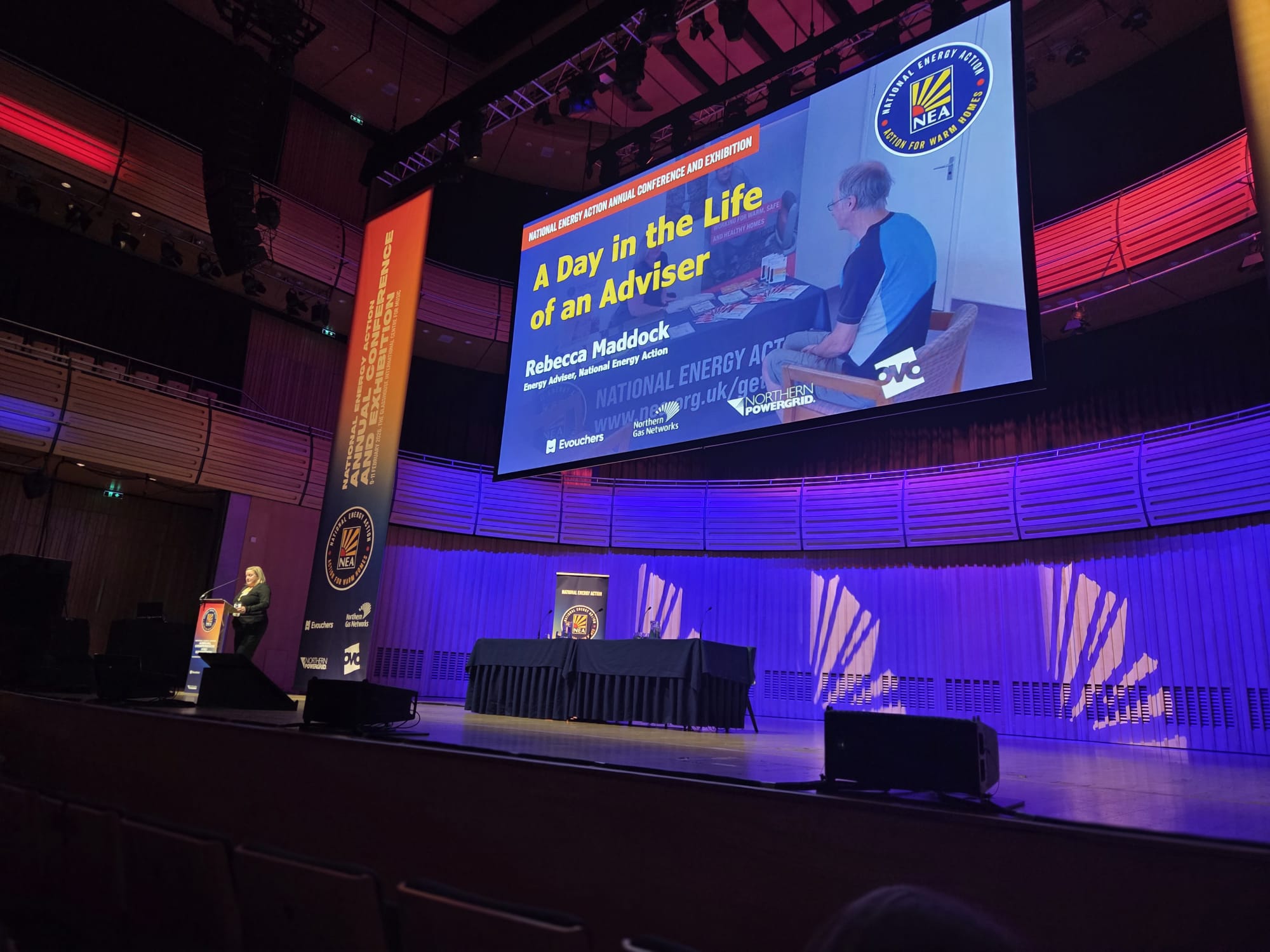 |
15.45-15.50 Spotlight on: A day in the life of an adviser Rebecca Maddock is one of NEA’s Energy Advisors, and just like our team of friendly experts, she spends a great deal of her time speaking with vulnerable residents living through horrendous situations. The advice is mainly provided over the telephone, and the client has one named casework advisor, who will stay with them until the situation is resolved. |
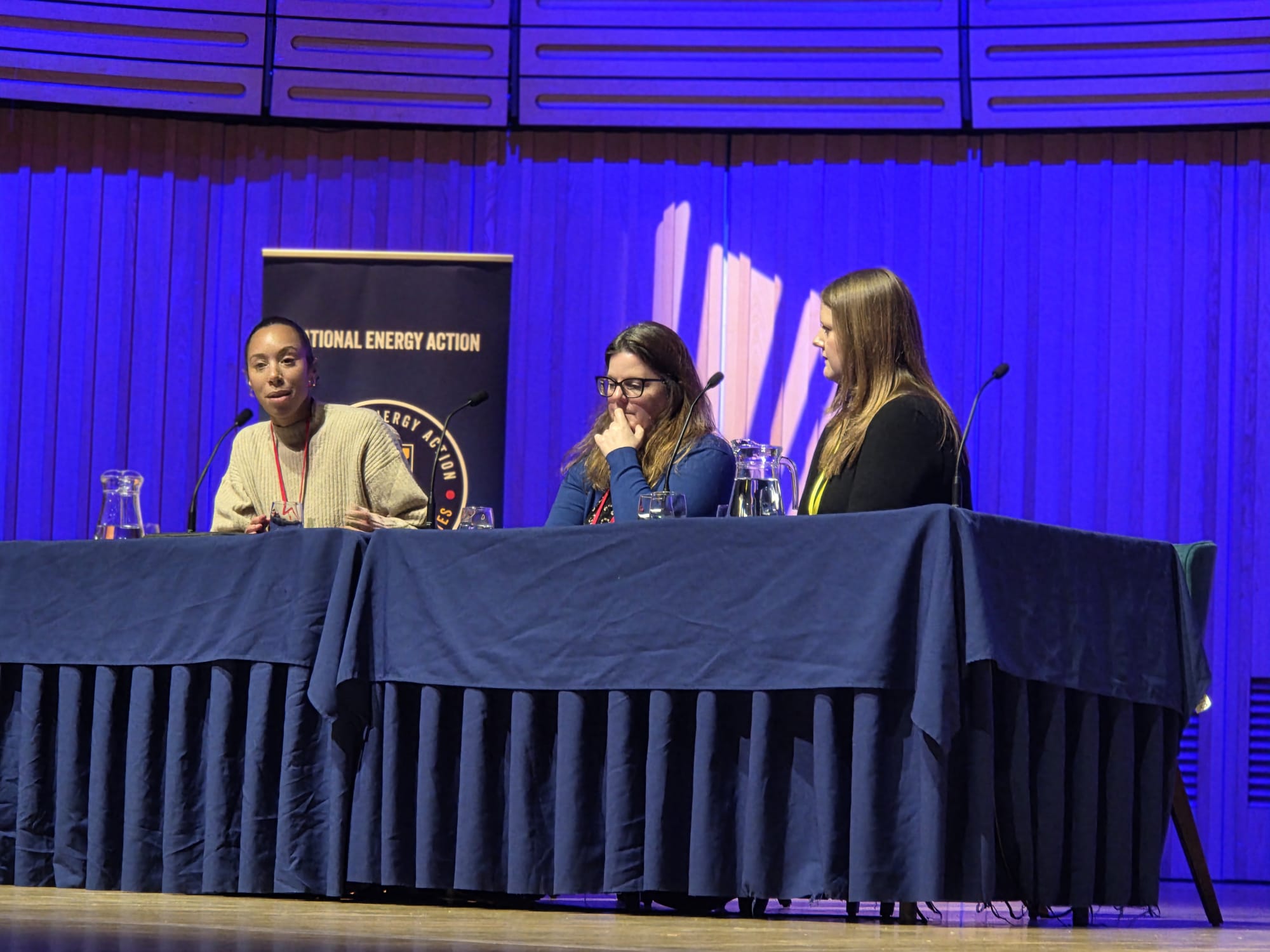 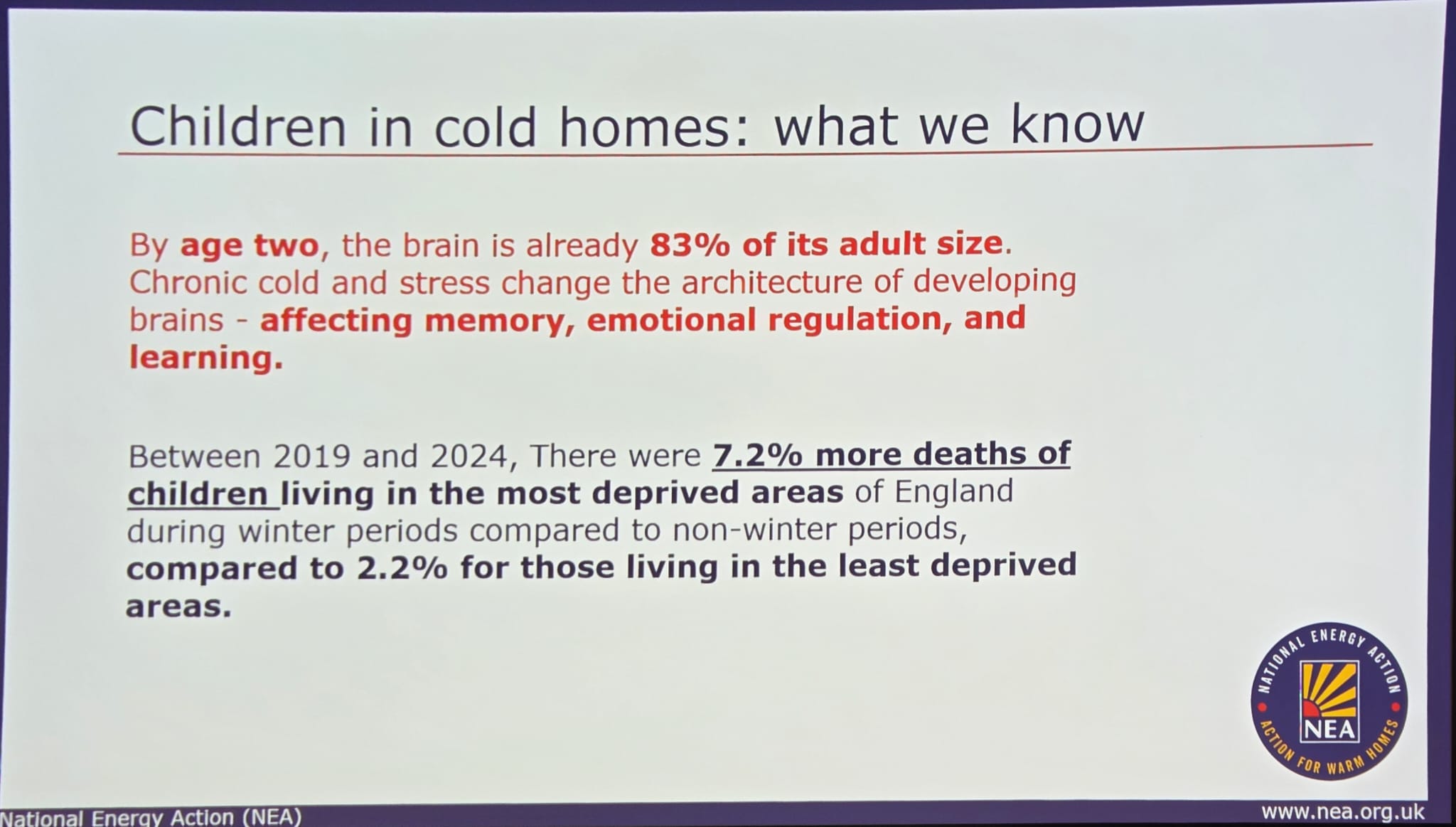 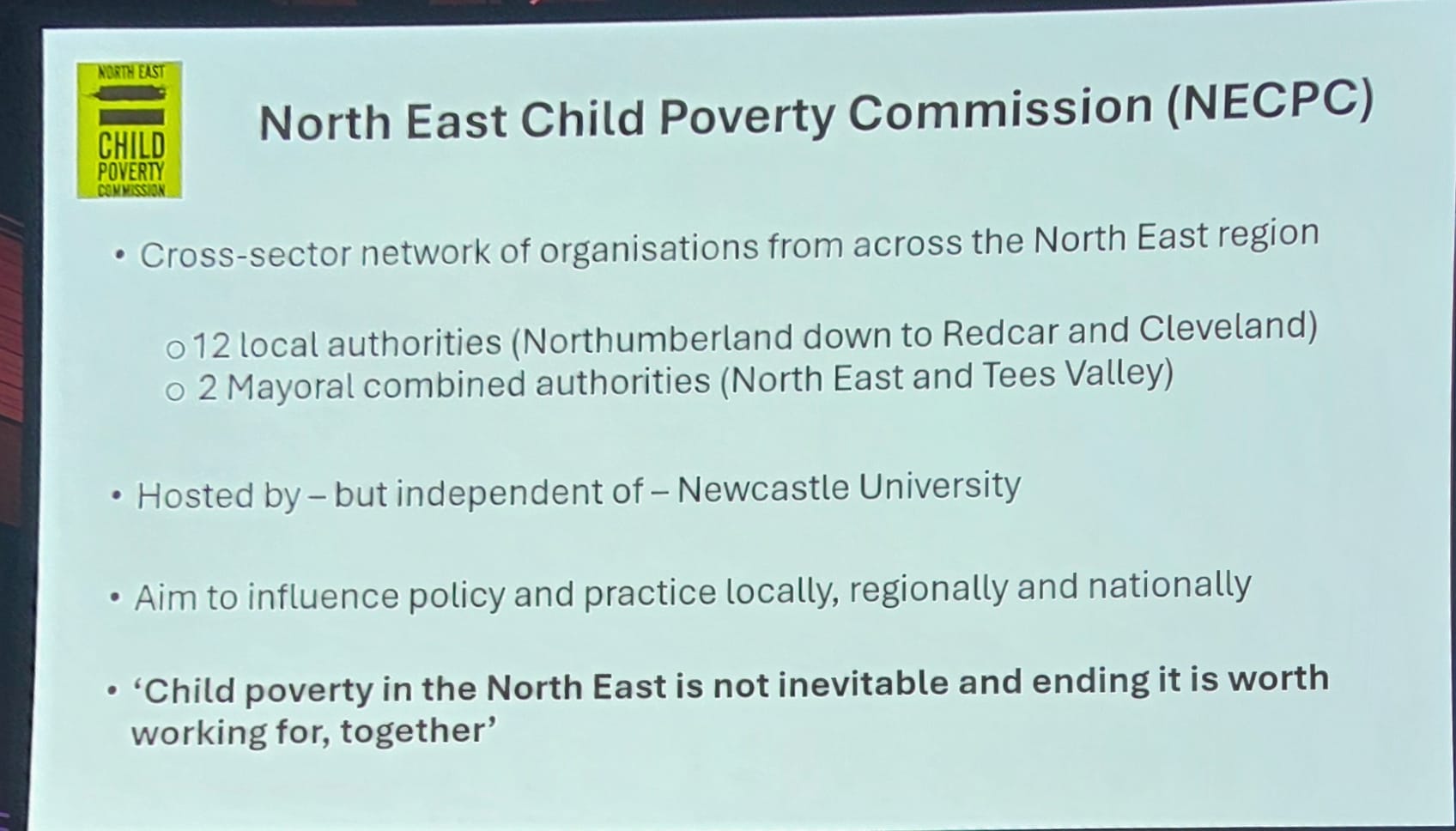 |
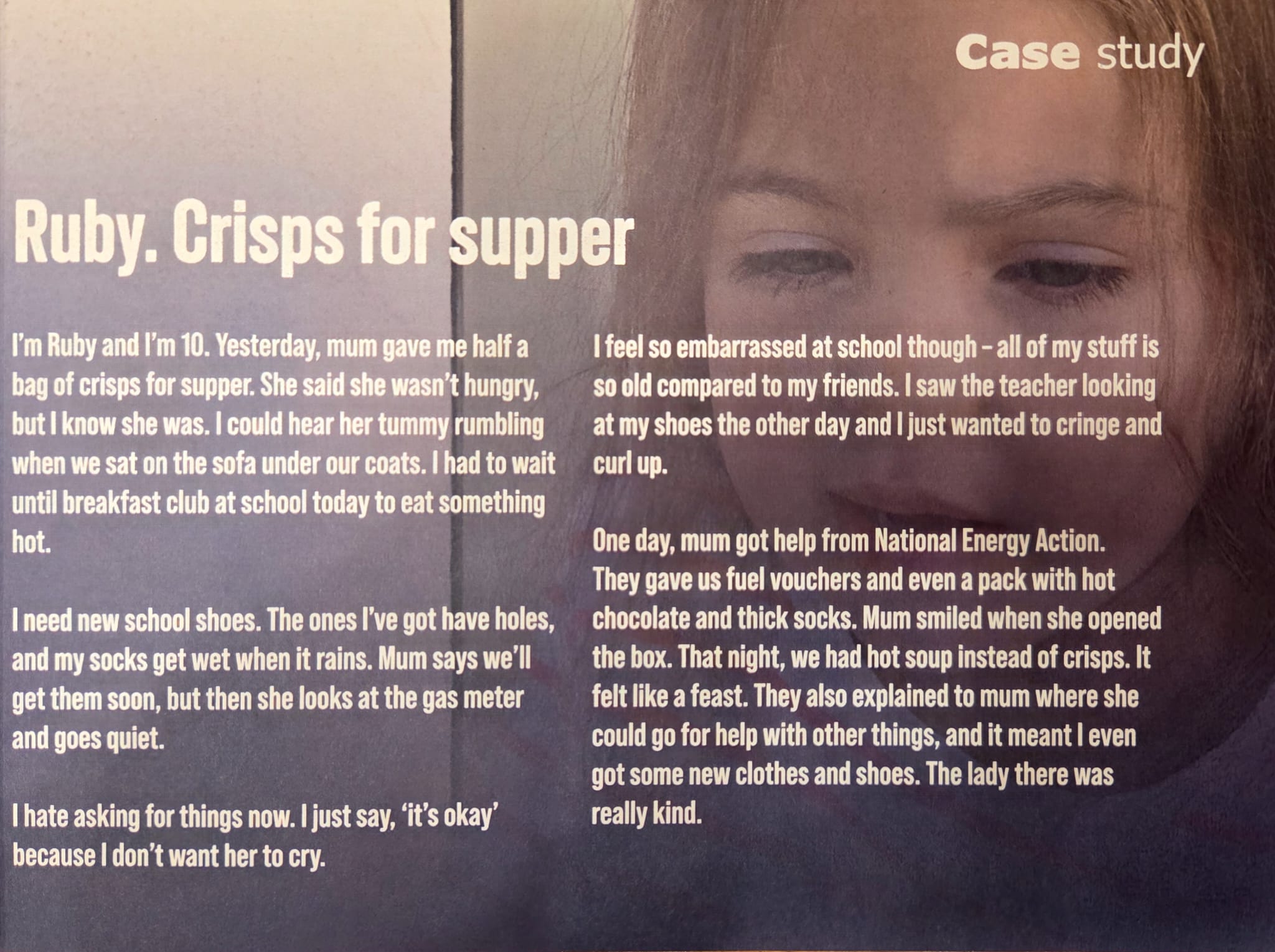
15.50-16.50 Little lives, big struggles: The hidden toll of fuel poverty on children This session carried a trigger-warning, as the discussion included mentions of self-harm, and details of children suffering in cold, damp homes. We heard case studies from children who had engaged with NEA and provided their lived experience, and we came away with the headline “fuel poverty = child poverty = poverty” for us all to remember in our daily work.
|
Wednesday morning overview
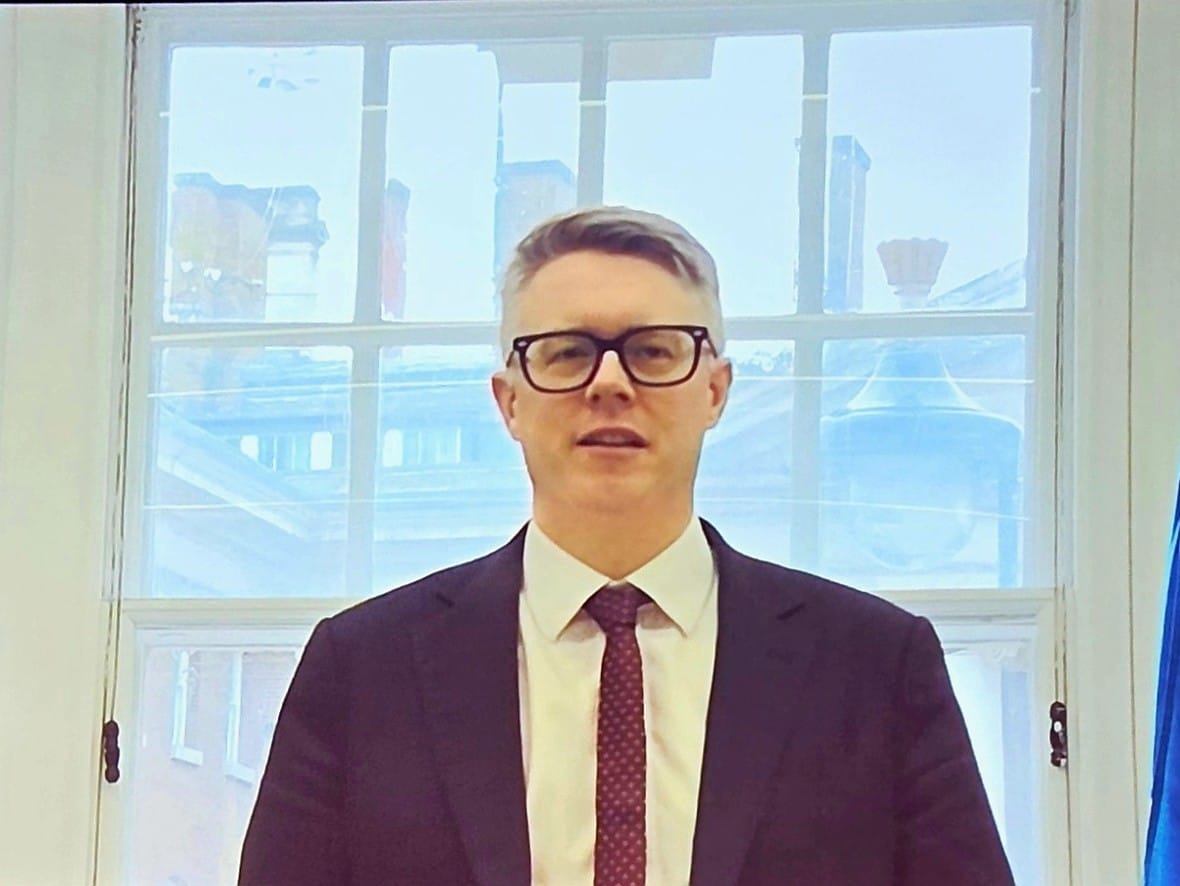 |
09.30-10.10 Session 5: Ministerial Address Martin McCluskey MP, Minister for Energy Consumers, joined us via video-link, to address the audience and outline the three forms of action being taken by government:
Adam Scorer read out some questions that had been posed by delegates ahead of the conference, including: Q) How do we prioritise children and patients with chronic health conditions? A) The changes we’re making will have a positive impact on their lives. |
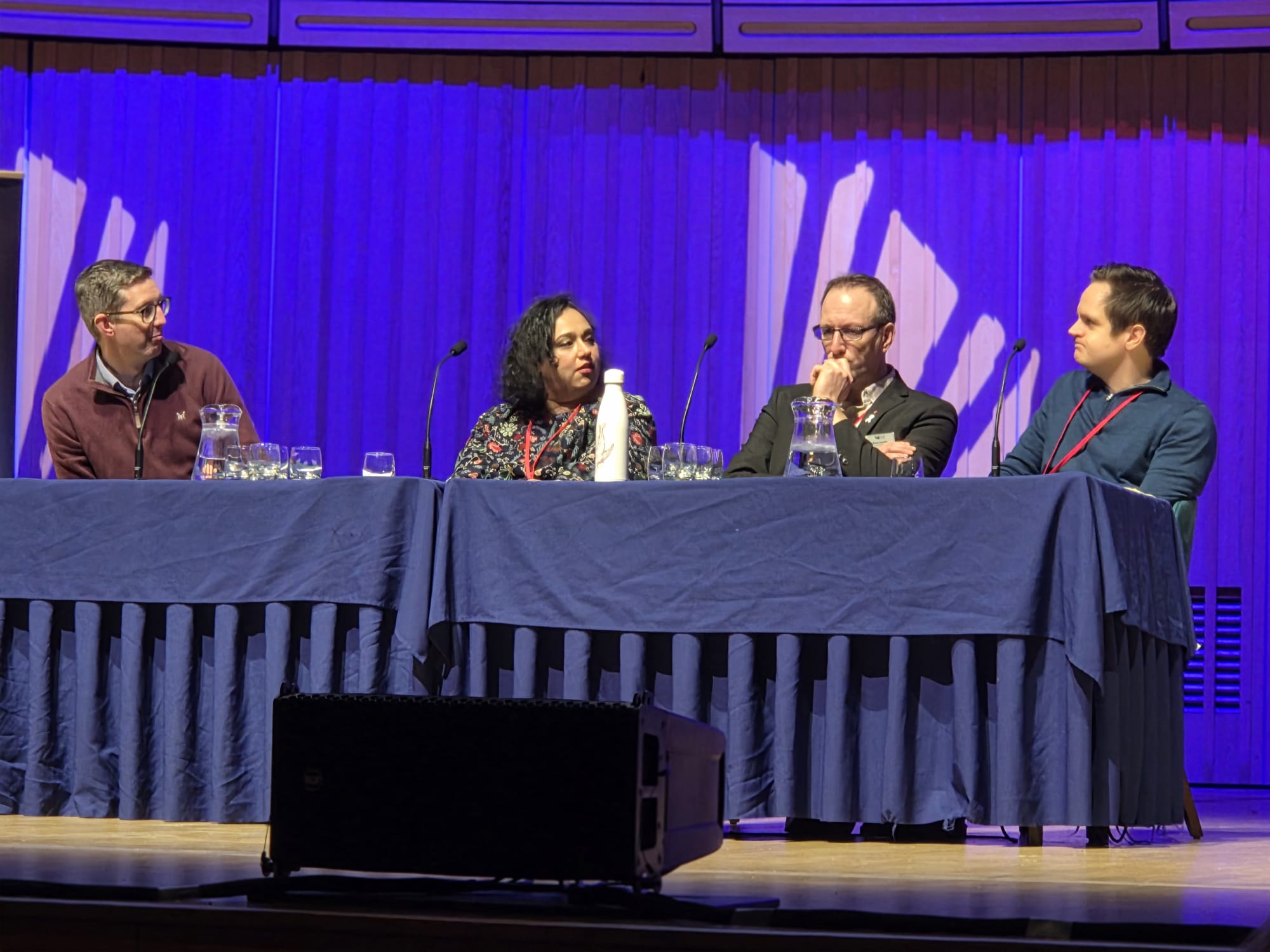 |
10.10-11.10 Shaping regional solutions to fuel poverty This session focused on how different Combined Authorities are approaching their Warm Homes Local Grant schemes |
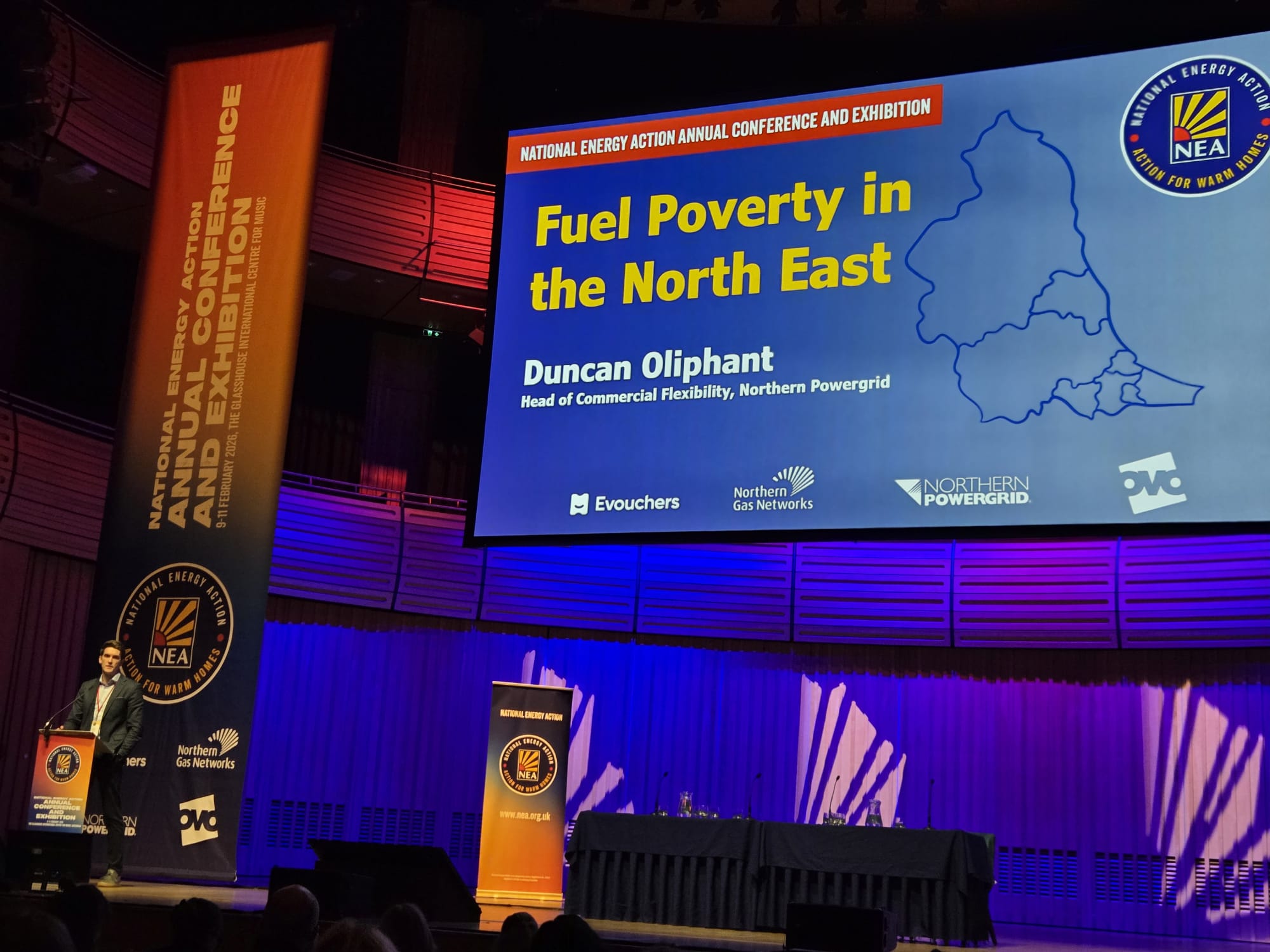 |
12:00-12.10 Spotlight on: Fuel poverty in the North East Duncan Oliphant made clear that there’s no one-size-fits-all approach that works to tackle fuel poverty. The challenges faced in the North East may be similar to those elsewhere, but they can also be very different. |
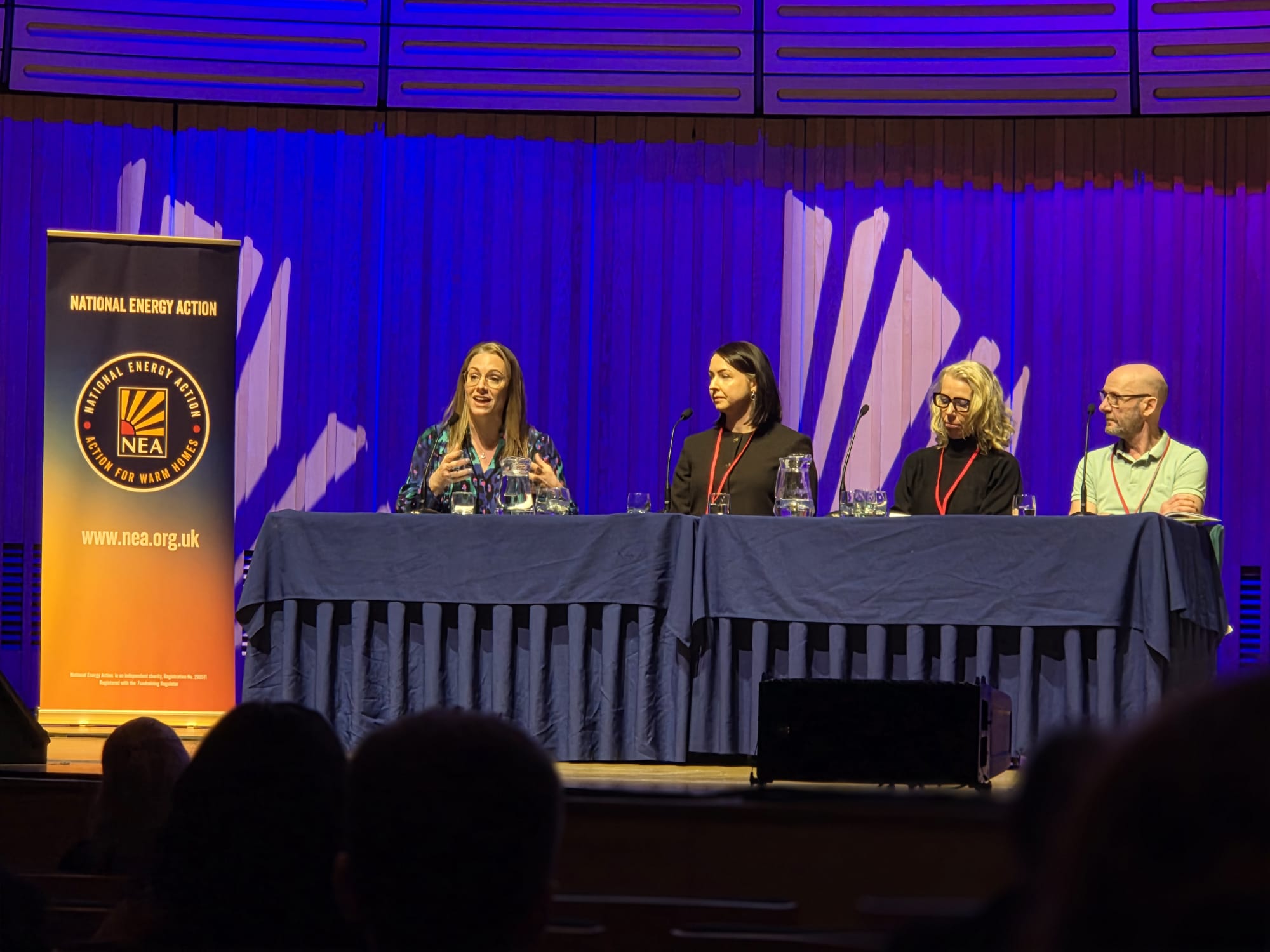 |
12.10-12:50 Session 7: Partners’ panel We spent quite a while debating social tariffs, as so many of us in the room work with vulnerable residents who would be glad of any additional, financial support with their bills. While I would happily welcome a new, additional social tariff, I’ve been around long enough to remember when we did have social tariffs for energy: Each energy supplier could choose their own eligibility, and the support they wished to offer. OFGEM decided to regulate them, so there was one standard offer. This came with a new name, “Warm Home Discount” and it’s now been around for 15 years, knocking £150 off the annual bills of vulnerable customers. |
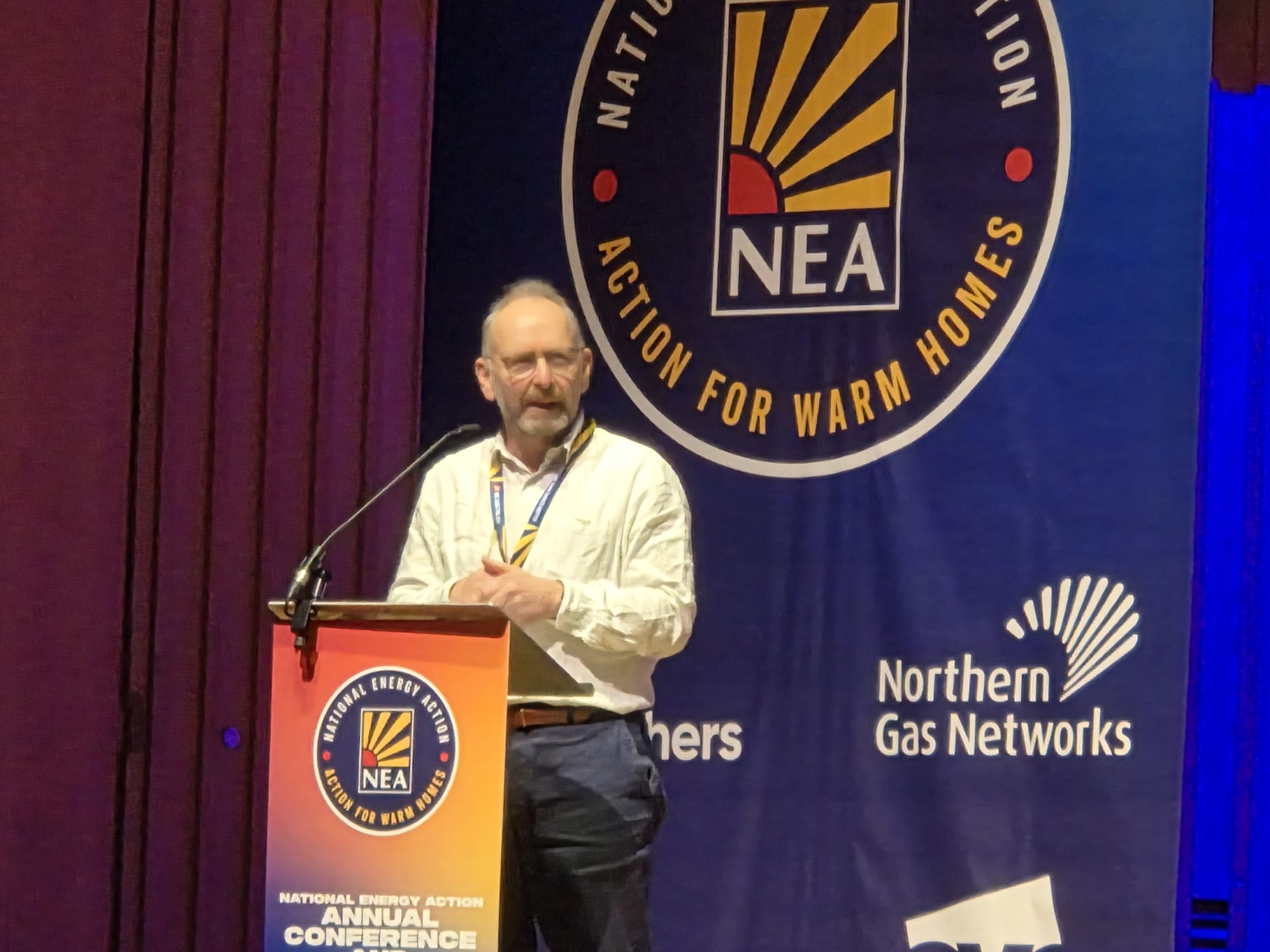 |
12:50-13.30 Final remarks Adam Scorer provided a short reflection on the conference. We’ve received the Warm Homes Plan, the revised Fuel Poverty Strategy, and the Child Poverty Strategy. Now we’re all moving together, from strategy to delivery. |